A Jewish case for the animals
The Torah forbids causing animals needless pain.
We no longer need meat, milk or eggs. Today, the Torah's answer is vegan.
The case in two minutes
- The law: The Torah forbids causing an animal needless suffering. Her pain matters to God.
- The permission: The Torah allows meat because we crave it, not because we need it. The permission never covered the animal's suffering.
- Complicity: A hen's suffering counts as much as a dog's, and when I buy, I share in it.
- The facts: Factory farms make animals suffer as a matter of routine, and a kosher label does not change that. Every egg depends on the hatchery, and every carton of milk on the calf taken from his mother.
- The need: I don't need meat, milk or eggs. I can live well without supporting that suffering.
Therefore: without a real need, buying meat, milk or eggs is wrong, and the Torah forbids it. Go vegan, starting at your next meal.
Step 1 of 5, The law1 min
Does an animal's pain matter to God?
One question before the pictures.
The next chapters show what is done to animals, slaughter included, with no warning on each. Not for children; asked once.
The Torah makes God's mercy for animals a matter of law.
It starts with a fallen donkey.
The Torah tells you to help unload a fallen donkey, even your enemy's (Shemot 23:5). From that verse the Talmud learns the law against causing an animal needless pain: tza'ar ba'alei chayim, "the suffering of living things."
צער בעלי חיים דאורייתא
“A debate on whether animal suffering is a Torah-level prohibition.”
For the Rambam, an animal's pain is real pain. Writing of a mother's love for her young, he says: "There is no difference in this regard between the pain of a person and the pain of other living beings" (Moreh Nevuchim 3:48).
What about killing them for food? And is this really Torah law?
Killing an animal for food does not break this law. Rabbi Yechezkel Landau, the Noda BiYehuda, puts the prohibition on the pain in an animal's life, not on its death (Noda BiYehuda II, YD 10). So this argument is not about slaughter. It is about how the animals are made to live.
One view holds that the law comes from the rabbis, not from the Torah itself (Minchas Chinuch 80). A rabbinic law binds too.
Heaven punished Rebbi for sending a calf away.
A calf on its way to slaughter broke loose. It pushed its head under the cloak of Rebbi, the sage who compiled the Mishnah, and cried. Rebbi said:
זִיל, לְכָךְ נוֹצַרְתָּ
“Go. For this you were created.”
A calf in a truck on the way to slaughter, Israel, 2014.
Heaven answered: since he shows no mercy, let suffering come upon him. He suffered for thirteen years. It ended the day he stopped his housekeeper from sweeping away a litter of young weasels, saying: His mercy is upon all His works (Tehillim 145:9).
We still say what Rebbi said to the calf: this is what they're for. Heaven did not accept it from him.
Do you accept it?
The Torah forbids causing an animal needless suffering. Her pain matters to God.
Yet the same Torah lets us eat her.
Step 2 of 5, The permission1 min
Why did God allow meat?
In Eden, God gave people seeds and fruit to eat.
The Torah's word for it is craving.
That was the whole diet (Bereishit 1:29, Sanhedrin 59b). Meat was allowed after the Flood (Bereishit 9:3), and Devarim gives the permission we still live under:
כִּי־תְאַוֶּה נַפְשְׁךָ לֶאֱכֹל בָּשָׂר... בְּכׇל־אַוַּת נַפְשְׁךָ תֹּאכַל בָּשָׂר
“When your soul craves to eat meat... according to the craving of your soul you may eat meat.”
Rabbi Yosef Albo, a medieval philosopher, says that here "the Torah spoke only against the evil inclination" (Sefer HaIkkarim 3:15).
The permission covers the meat, never how the animal lives before slaughter. Rav Moshe Feinstein ruled that raising a veal calf in a crate, kept from his mother's milk, breaks the law against causing animals needless suffering (Igrot Moshe, EH 4:92; see step five).
Isn't eating meat a mitzvah, not just something allowed?
When the Temple stood there was no joy without meat (Pesachim 109a), and Albo himself calls meat good food (Sefer HaIkkarim 3:15). Read that way, the Torah's word "craving" only means wanting.
Even so, this step needs only one thing: the permission to eat meat never covered the animal's pain. The Rema, whose rulings Ashkenazi Jews follow, permits plucking live geese for a need, and reports that people refrain anyway, because it is cruelty (Rema, EH 5:14).
The Torah tells the story of a craving for meat.
In the wilderness, manna fell every morning. Nobody was hungry, and still the people "craved a craving" and wept for meat (Bamidbar 11:4). God gave them meat for a month, "until it comes out of your nostrils and becomes loathsome to you" (Bamidbar 11:20). Then the story names a place:
הַבָּשָׂר עוֹדֶנּוּ בֵּין שִׁנֵּיהֶם טֶרֶם יִכָּרֵת וְאַף ה׳ חָרָה בָעָם וַיַּךְ ה׳ בָּעָם מַכָּה רַבָּה מְאֹד וַיִּקְרָא אֶת־שֵׁם־הַמָּקוֹם הַהוּא קִבְרוֹת הַתַּאֲוָה כִּי־שָׁם קָבְרוּ אֶת־הָעָם הַמִּתְאַוִּים
“The meat was still between their teeth, not yet chewed, when the anger of Hashem flared against the people, and Hashem struck the people a very great blow. And he named that place Kivrot HaTaavah, Graves of the Craving, for there they buried the people who craved.”
Feeling a craving is human. Letting it decide is the danger.
The Torah itself draws the line between need and craving. Step five asks which side of it you are on.
Do you accept it?
The Torah allows meat because we crave it, not because we need it. The permission never covered the animal's suffering.
Next: a dog, a hen, and what your money does.
Step 3 of 5, Complicity1 min
Is buying it the same as doing it?
The photographs and video in “Is buying it the same as doing it?” wait for your answer to the one question above. The text is all here.
A man on your street is kicking a dog for fun, and she can't get away.
You'd stop him without needing a verse. What moves you is the trait the Talmud tells you to copy from God:
הֱוֵי דּוֹמֶה לוֹ, מָה הוּא חַנּוּן וְרַחוּם — אַף אַתָּה הֱיֵה חַנּוּן וְרַחוּם
“Be like Him: as He is gracious and compassionate, so you be gracious and compassionate.”
Now think of the hen.
She is caged her whole life, kept from doing what a hen wants to do. The Torah calls her and the dog living souls (Bereishit 1:30). She suffers far longer, and step four shows it is routine.

One hen, in a battery cage in Poland, 2019. The floor slopes so the eggs roll out. She cannot stand fully upright here.
Name the difference before you read on.
Standing up for the dog costs you nothing. Standing up for the hen costs you something you like. That is the only difference, and it is in you, not in what she feels.
You don't cage her yourself, though. You only buy.
You may not help anyone do wrong, or fund it.
The Torah forbids putting a stumbling block "before the blind" (Vayikra 19:14). Jewish law reads this as a ban on helping anyone do wrong. The Rambam applies it to buying:
אָסוּר לִקְנוֹת דָּבָר הַגָּזוּל מִן הַגַּזְלָן... שֶׁכָּל הָעוֹשֶׂה דְּבָרִים אֵלּוּ וְכַיּוֹצֵא בָּהֶן מְחַזֵּק יְדֵי עוֹבְרֵי עֲבֵרָה וְעוֹבֵר עַל... וְלִפְנֵי עִוֵּר לֹא תִתֵּן מִכְשׁל
“It is forbidden to buy a stolen thing from the robber... for whoever does these things and the like strengthens the hands of transgressors and violates 'you shall not place a stumbling block before the blind'.”
What's on the shelf has already happened too, and your money funds the next hen.
Does buying really count?
By the Talmud's rule, the Torah's own prohibition covers only a wrong that could not happen without you (Avodah Zarah 6b). Where the sinner has another supplier, the Rema permits the sale (Rema, YD 151:1). The hen is already dead, and others would buy her.
The Rambam's robber answers that: others would buy from him too, and buying is still forbidden. Stolen goods are not a hen, but the Rambam's reason carries over. Buying strengthens the next wrong, and that is exactly what a purchase from a factory farm does.
This step claims only that if the suffering is needless, the money that keeps it going makes you part of it. Whether you need it is step five's question. And the Rema himself ends by saying that anyone who takes his soul seriously should be strict with himself.
You already took the dog's side. Take the hen's: stop funding her cage.
Do you accept it?
A hen's suffering counts as much as a dog's, and when I buy, I share in it.
It is hard to look at. Please look anyway.
Step 4 of 5, The facts2 min
What happens on the farms today?
The photographs and video in “What happens on the farms today?” wait for your answer to the one question above. The text is all here.
Jewish law rules on the facts. Here are today's, counted and filmed.
Meet one hen first. Her cage is too small and too bare for what she wants to do.
Layer hens in battery cages, Bastos, Brazil. The eggs roll out on the belt below them.
A battery cage, shared with other hens.
This is not a few bad farms. It is standard practice.
Each line below happens to a turkey, a hen or a dairy cow.
- She was conceived by artificial insemination, because her breed can no longer reliably mate. By force (Bakst & Dymond, poultry AI).
- She was confined. By force (EFSA, laying hens, 2023).
- Her calf was taken from her within a day. By force (EFSA, calves, 2023).
- Her brothers, hatched male, were killed on their first morning. By force (Krautwald-Junghanns et al., 2018).
- Her beak was cut back. By force (EFSA, laying hens, 2023).
- Her son's horn buds were destroyed with a hot iron, and he was castrated. By force (EFSA, calves, 2023).
- Her life was taken from her. By force.
Jewish law permits the last line. Every line before it is pain, and the Torah forbids pain without a need.
83 billion
land animals are killed for food each year, about 2,600 every second.
Seventy-five billion of them are chickens like her (UN FAO, FAOSTAT, 2022). When her chicks are distressed, her heart rate climbs and she calls to them (Edgar et al., Proc. R. Soc. B, 2011).
Every carton of eggs depends on the fourth line, and every carton of milk on the third, whatever the label says.
Newborn dairy calves being taken away, with a cow walking after them, on film. The captions in it address the viewer directly and are its publisher's, not this page's.
A 1977 study for herd managers found that five minutes together after birth bonds a cow to that calf. Take him away and she walks the fence, butts, and calls without stopping. Twelve hours later she can still pick him out among other calves (Hudson & Mullord, 1977).
Rabbi Akiva treated it as common knowledge: more than the calf wants to suckle, the cow wants to nurse (Pesachim 112a).
The Torah would not take a newborn calf for the altar before seven days with his mother (Vayikra 22:27). The industry takes him within one.
The fourth line, filmed in an Israeli hatchery by Animals Now:
An Israeli hatchery, filmed by Anonymous for Animal Rights (now Animals Now) with cameras set at the chicks' own height. Their first day, and for the males their last. Nothing plays until you press it.
A kosher label covers the slaughter, not the animal's life.
Rabbi Shmuel Kamenetsky granted that factory-farm practices may well be forbidden cruelty, and ruled that the meat stays permitted to eat (R. Shmuel Kamenetsky, Hakirah 24; step five).
An animal is made to live like that so that those of us with other food on the same shelf can eat the one we like better.
Do you accept it?
Factory farms make animals suffer as a matter of routine, and a kosher label does not change that. Every egg depends on the hatchery, and every carton of milk on the calf taken from his mother.
That is what the money buys. One step is left, and it is about you.
Step 5 of 5, The need2 min
Do you still need it?
The photographs and video in “Do you still need it?” wait for your answer to the one question above. The text is all here.
For the first time, meat is a choice.
Vitamin B12 was isolated only in 1948 (B12 isolated, 1948), so ours is the first generation that can be reliably healthy without animal foods. The Academy of Nutrition and Dietetics says well-planned vegan eating can give adults enough of every nutrient (Academy of Nutrition & Dietetics, 2025).
A real need still counts: illness, or poverty with no other food. If you have one, name it:
Write the one thing you really couldn't do without: a real need, rather than a preference or a habit.
Your family's health
The Academy's 2016 paper called well-planned vegan diets "appropriate for all stages of the life cycle," pregnancy, infancy and childhood included (Academy of Nutrition & Dietetics, 2016); its 2025 paper reviewed adults only. Plan a child's or a pregnancy's change with a pediatrician or dietitian. Take B12, and change your own plate today.
Needing meat and wanting it have come apart. What is left is the craving the Torah named.
Only a true need permits pain.
The Rema allows causing an animal pain for healing "or for other purposes." His example is plucking live geese, and he reports that people refrain, because it is cruelty (Rema, EH 5:14). Even Rav Moshe, reading the permission broadly, forbade pain without a true need:
וְהִנֵּה לְאֵלּוּ שֶׁעוֹשִׂין זֶה אִיכָּא וַדַּאי אִסּוּר דְּצַעַר בַּעֲלֵי חַיִּים, דְּאַף שֶׁהֻתַּר לְצֹרֶךְ הָאָדָם הוּא כְּשֶׁאִיכָּא צֹרֶךְ... אֲבָל לֹא לְצַעֲרָם בְּעָלְמָא, שֶׁזֶּה אָסוּר אַף אִם יִהְיֶה לְאֶחָד הַרְוָחָה בָּזֶה... וּבַעֲלֵי נֶפֶשׁ אֵין לָהֶם לֶאֱכֹל כְּלָל מֵעֲגָלִים כָּאֵלּוּ
“For those who do this there is certainly a prohibition of tza'ar ba'alei chayim. Although this is permissible when done to serve human needs, that is only when there is a true need... But it is not permissible to cause them pain for no good reason, even if there exists an individual who will derive some profit from this... A ba'al nefesh should not eat from such calves at all.”
This site goes further than Rav Moshe: taste, habit, convenience and what people will think are not needs. The Torah's word for wanting meat is craving (Devarim 12:20; step two), and a craving cannot justify an animal's pain.
The farm causes the pain to fill orders (step three); a buyer with no need funds pain that serves none.
How far does “need” reach?
Some authorities read it more widely. Rav Moshe allows fattening animals so their meat tastes better, and Rabbi Melamed allows crowding to save costs (Peninei Halacha, Kashrut 1:15:9). Rav Moshe puts the veal prohibition on "those who do this", not on buyers, and a published reading says his deciding reason was misleading the buyer (Zivotofsky et al., Hakirah 25), though the Hebrew says "from the Torah's own ban on causing animals pain." Neither goes as far as this site.
Without a need, the Torah's law already applies.
Now that you don't need the hen's eggs and flesh, being like God means you stop funding her pain, as you would stop a man kicking a dog.
A calf on an Israeli dairy farm, 2014, in the pen where he was put after being separated from his mother. The pen has one lamp and a little straw, and no other animal.
One leading rabbi was asked, and he permitted the meat.
In 2018 Rabbi Shmuel Kamenetsky was sent a description of factory-farm practices. He answered that they may well be forbidden cruelty, and that the meat and poultry remain permitted to eat (R. Shmuel Kamenetsky, Hakirah 24). It is the strongest source against this site. He ruled on eating the meat. Whether buying their products strengthens the people who do them, he did not take up; this site takes that step from the Rambam.
Your rabbi's silence is not a ruling.
The Torah's law applies whether or not he repeats it.
Why hasn't my rabbi said anything?
Forbidding what the Torah permits, for all of Israel, would take the Great Sanhedrin, the high court of Temple times (Rambam, Mamrim 2:9), and there is none today. Nothing new needs forbidding: needless suffering is already forbidden.
Great rabbis eat meat, and a rabbi's plate is not a ruling.
Jewish law lets a rabbi keep quiet in public: better that people sin without knowing than be told and sin anyway (Beitzah 30a). But face to face, the Rema obliges him to correct you (Shulchan Aruch, OC 608:2), so if you ask him yourself, that rule can't keep him quiet. He may agree with Rabbi Kamenetsky. Then ask him the question Rabbi Kamenetsky did not take up: may you fund what is done? If he answers that the farm has other buyers, that is step three's leniency, and step three answers it. The eight objections a learned reader raises are answered, each from its source, on one page for your rabbi.
Who is Asa Keisar?
Asa Keisar is an Orthodox teacher whose book (Velifnei Iver HaShalem) and twelve-minute talk made this argument widely known. This site uses only sources it could check in the original.
No ruling is missing. What is missing is your choice. The “Start now” chapter gives you the first step.
Do you accept it?
I don't need meat, milk or eggs. I can live well without supporting that suffering.
The verdict
What the five steps add up to
- Step 1 · The law
The Torah forbids causing an animal needless suffering. Her pain matters to God.
- Step 2 · The permission
The Torah allows meat because we crave it, not because we need it. The permission never covered the animal's suffering.
- Step 3 · Complicity
A hen's suffering counts as much as a dog's, and when I buy, I share in it.
- Step 4 · The facts
Factory farms make animals suffer as a matter of routine, and a kosher label does not change that. Every egg depends on the hatchery, and every carton of milk on the calf taken from his mother.
- Step 5 · The need
I don't need meat, milk or eggs. I can live well without supporting that suffering.
Therefore
Without a real need, buying meat, milk or eggs is wrong, and the Torah forbids it. Go vegan, starting at your next meal.
After the verdict1 min
What does repentance ask of us?
Twice a year, on the days of judgment, we ask God to have compassion on His works.
We ask:
חֲמוֹל עַל מַעֲשֶׂיךָ. וְתִשְׂמַח בְּמַעֲשֶׂיךָ
“Have compassion on Your works, and rejoice in Your works.”
"Your works" is the word of the verse we say three times a day: His mercy is upon all His works (Tehillim 145:9).
On Yom Kippur afternoon we read the book of Yonah. It ends with God's reason for sparing the city of Nineveh, and the last thing He names is its animals (Yonah 4:11). If Nineveh's animals counted in God's judgment, they count in ours.
The Talmud says that whoever has mercy on God's creatures is shown mercy from Heaven (Shabbat 151b).
The prophet Yeshayahu says nothing shall hurt or destroy, and the lion shall eat straw (Yeshayahu 11:6–9). That is the world of Eden, where step two began. The Talmudic sage Rav says every date set for the redemption has passed, and now it depends only on repentance and good deeds (Sanhedrin 97b).
The world we pray for comes through deeds, and the next one is yours, at your next meal.
Does any rabbi say the redemption is waiting on this?
No authority on Jewish law has ruled that the redemption is being held up by this. If someone tells you a leading rabbi said so, ask for the source.
The Rambam reads the prophets' wolf and lamb as a parable for Israel living safely among the nations. Even so, explaining it, he says they will eat what is permitted, in peace, and quotes "the lion shall eat straw like the ox" (Rambam, Melachim 12:1). This chapter's claim rests on the verdict: funding needless suffering is forbidden, and giving up a sin is the repentance the redemption depends on.
The main point
Repentance means showing His creatures the compassion we ask Him to show us.
Next: what to do tonight, at home, and with your rabbi.
After the verdict2 min
Start now
Every meal you ate before today, you ate in good faith. Your family fed you with love, as theirs fed them.
Jewish law judges a wrong done without knowing differently. From now on, the same meal is a choice you make knowingly, and that is where repentance starts. The Rambam on complete repentance:
אֵי זוֹ הִיא תְּשׁוּבָה גְּמוּרָה? זֶה שֶׁבָּא לְיָדוֹ דָּבָר שֶׁעָבַר בּוֹ, וְאֶפְשָׁר בְּיָדוֹ לַעֲשׂוֹתוֹ, וּפֵרַשׁ וְלֹא עָשָׂה מִפְּנֵי הַתְּשׁוּבָה
“What is complete teshuvah? One who encounters the very same opportunity in which he transgressed, and it is within his power to do it again, and he refrains, because of his return.”
Your first step: take animals off your table.
Have mercy on His works, as He does: go vegan, with no meat, no milk and no eggs. The word is new; the plate is the one God first gave people, in Eden (Bereishit 1:29).
The steps, together
The five steps add up to the verdict above. See it again ↑
Each chapter ends by asking whether you accept its step. Your answers, if you give them, gather here.
If you have a real need, illness or poverty with no other food, Jewish law allows it, and nobody may shame you for it.
Take it on without a vow, so a slip means you start again at the next meal.
Your next meal
Choose the dish now, by name: lentil soup, or falafel in a pita.
Your first Shabbat
Most of what you love about Shabbat was never the meat. Keep the wine, the songs and the cholent: made with beans, barley, potatoes and mushrooms, it holds through the night like any other. Bake or buy a challah without eggs.
Thirty days
Tonight, tell one person who will ask you in a month how it's going. When the pull to go back comes, call it by the Torah's name: a craving, not a need. Each time you choose the other dish, that is the Rambam's complete repentance.
Saved on this device only.
Your message
I've gone vegan. Ask me in a month how it's going.
Keep the peace at home. Change your own plate first.
Jewish law puts peace at home ahead even of lighting the Chanukah lamp (Shabbat 23b). Start with your own food, and say so: "This is for me. I'm not asking you to change." Be as gentle with the people at your table as you want to be with the animals.
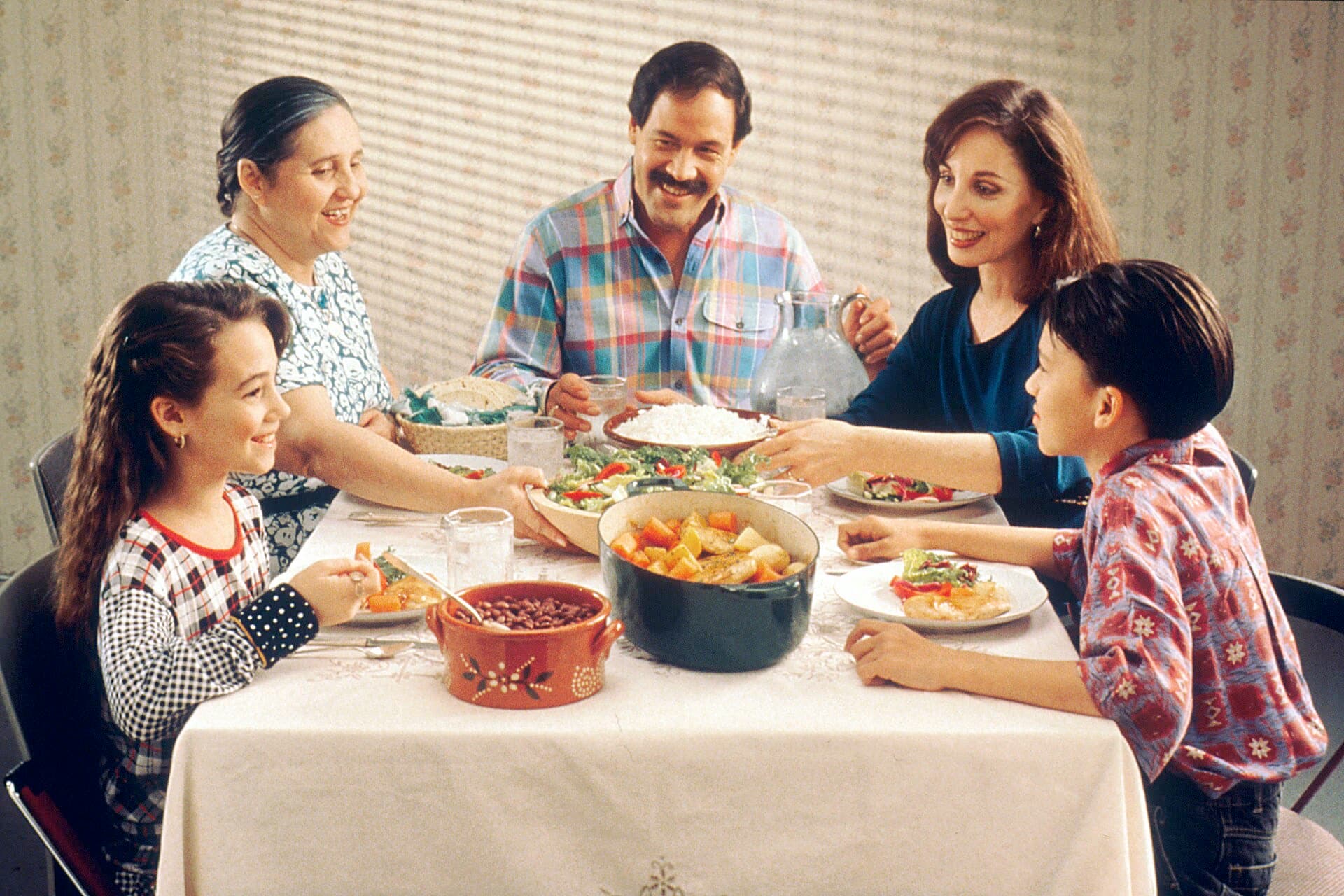
If you are the one who cooks, cook what they already love that needs no meat, milk or eggs: pasta with tomato sauce, lentil soup, rice and beans, falafel. Plan the children's meals with their doctor.
Bring your rabbi the right question.
Don't ask him whether the meat is kosher. The kosher supervisor already answered that. Ask him this, and don't wait for his answer to go vegan:
Causing an animal needless suffering is forbidden by the Torah (Bava Metzia 32b), and we may not help another person do wrong (Vayikra 19:14; Rambam, Hilchot Rotzeach 12:14). Factory farms make animals suffer as a matter of routine, and a kosher label does not change that. Every egg depends on the hatchery, and every carton of milk on the calf taken from his mother. And a well-planned kosher diet without animal products can be nutritionally adequate for adults. I have two questions. May I keep buying meat, milk and eggs when I have no real need for them, such as illness or poverty with no other food? And if it is permitted, as Rabbi Shmuel Kamenetsky wrote of factory-farmed meat and poultry while granting that the practices may well be forbidden cruelty to animals (tza'ar ba'alei chayim), is it the right thing for me to do?
What he may answer, and the sources that reply: for your rabbi.
Whatever he answers, send it to us.
Answers to what people say next.
Which kind is yours?
The ones everyone has heard
“I know it's wrong. I'll keep eating it anyway.”Then every step is already yours, and what holds you is a craving. The Torah's answer to a craving is one meal at a time.
Then you agree with every step, and what holds you is what the Torah calls a craving (Bamidbar 11:4). Nobody is asking you to stop wanting it. The Talmud says it is better to sin without knowing than knowingly (Beitzah 30a), and you know now. Start with the next meal.
“God gave us dominion, so the animals are ours to use.”Dominion was given to a keeper, and a keeper answers for what's in his care.
The grant is real (Bereishit 1:28). But the same Torah puts the first human in the garden to keep it (Bereishit 2:15). Even an owner may not cause an animal needless pain. Owning a dog has never made kicking her right.
“It's natural. Animals eat animals, and real men eat meat.”A battery cage isn't natural, and the Torah's idea of strength is self-control.
A battery cage isn't natural, and neither is the hatchery grinder. We aren't lions, and we aren't starving. And in Ethics of the Fathers, the sage Ben Zoma says the strong man is the one who masters his own desires (Pirkei Avot 4:1).
“The Torah commands offerings, and the Talmud says an animal's end is slaughter.”The Torah permits slaughter and offerings. The law is about the animal's life before that.
The Torah does command offerings, and it permits slaughter; this site disputes neither. The law against cruelty is about the pain in an animal's life, not its death (Noda BiYehuda II, YD 10). Even the altar would not take a newborn calf before he had seven days with his mother (Vayikra 22:27); the dairy takes him within one. And the Talmud's line, read whole, is about everyone: "and all stand ready for death. Happy is the one who grew up in Torah" (Berachot 17a).
“There's a mitzvah to eat meat on festivals.”The mitzvah is joy. The meat in the saying was a Temple offering, which nobody can bring today.
The mitzvah on a festival is to rejoice. The line everyone quotes, "no joy except with meat and wine", reads the other way in full:
בִּזְמַן שֶׁבֵּית הַמִּקְדָּשׁ קַיָּים אֵין שִׂמְחָה אֶלָּא בְּבָשָׂר... וְעַכְשָׁיו שֶׁאֵין בֵּית הַמִּקְדָּשׁ קַיָּים אֵין שִׂמְחָה אֶלָּא בְּיַיִן
“R. Yehuda ben Beteira: when the Temple stood, there is no joy except with meat, the shelamim offering, 'you shall slaughter peace-offerings and eat there and rejoice' (Devarim 27:7); and now that the Temple does not stand, there is no joy except with wine, 'wine gladdens the heart of man' (Tehillim 104:15).”
The Magen Avraham, a standard commentary on Jewish law, rules that even on Shabbat a man who doesn't want meat may leave it, and that the obligation belonged to the Temple (Magen Avraham 696:15). And festivals are a handful of days a year. The rule says nothing about an ordinary Tuesday.
“It's a personal choice, and one person makes no difference anyway.”It's personal the way every purchase is, and your purchase funds the next animal.
It's personal, but not private. Your purchase funds the next animal (step three). And where your share is too small to trace, all Jews are responsible for one another (Shevuot 39a).
The half-measures
“I'll cut out meat, or cut back. Milk and eggs don't kill anyone.”The line falls at vegan: eggs fund the cage and the hatchery, milk for the calf taken from his mother.
The line falls at vegan. Eggs fund the cage and the hatchery, milk for the calf (step four). And half as much needless suffering is still needless. Cutting back answers how much. The question was whether.
“Then I'll keep only fish.”The Torah calls a fish a living soul, and fish most likely feel pain.
The Torah first calls a fish a living soul (Bereishit 1:20–21). A fish injected with an irritant rubs the spot, rocks, and stops eating, which scientists read as pain (Sneddon, Royal Society, 2019).
“But I only buy humane, grass-fed, from a small local farm, or keep my own hens.”A humane label, or a hen in your own yard, still funds the hatchery and the calf pen.
A laying breed's brothers are killed the day they hatch, however kindly she is kept, in a barn or in your own yard. A cow gives milk because she has had a calf. Rabbi Yehuda HeChasid, a medieval sage, left it in his will not to raise chicks at all, and the Pele Yoetz, a later book of Jewish ethics, gives the reason: nobody can watch closely enough to keep them from suffering (Pele Yoetz, Ba'alei Chayim). A grass-fed steak still answers a craving, not a need, and the Torah allows an animal pain only for a real need.
The practical ones
“I need meat, eggs or cheese to stay strong, and the alternatives are expensive.”Well-planned vegan eating gives adults enough of every nutrient. Cost is a need only when there is no other food.
The Academy of Nutrition and Dietetics says well-planned vegan eating can give adults enough of every nutrient (Academy of Nutrition & Dietetics, 2025). You will need one supplement, B12. If money truly leaves you no other food, that is a real need. If not, cost is a preference.
“Plants feel pain. What about crop deaths?”Farming does kill, and feeding crops to animals first takes far more land.
Feeding grain to an animal takes more crops and more land: a hundred grams of protein from beef takes about 164 square meters; from tofu, about two (Poore & Nemecek, Science, 2018).
“It's too hard. My family, my friends, every simcha serves meat.”Hard is not a need. Keep your own plate, at home and at the table you're invited to.
Hard is real, and it is not a need. At a simcha, eat the salads and the fruit, or bring a dish to share. At home, start with your own plate, as above.
The main point
Whatever you hear next, ask what real need it names. If it names none, the answer is still vegan.
Bring one person with you.
Send this to someone who would want to know. And don't take my word for it, or any rabbi's: open the sources and check.