Torah sources, linked to Sefaria.
The short version.
The Torah allowed meat. It never allowed needless suffering, and today that suffering is the industry's routine, filmed and counted. This page shows what the Torah's laws mean for your next meal, and every source links to the original where there is one, so you can check.
This page has photographs or video of what is done to animals, which may include slaughter. They stay hidden until you say you're 18 or over.
The site can't check your answer, and it's saved only in this browser.
Step 1 · The law
The Torah forbids causing an animal needless suffering. Her pain matters to God.
In full: Does an animal's pain matter to God? · 1 min →
Where it starts
The Torah calls an animal a living soul, the same words it uses for you.
And it calls the person who knows what his animal is going through righteous.
יוֹדֵעַ צַדִּיק נֶפֶשׁ בְּהֶמְתּוֹ וְרַחֲמֵי רְשָׁעִים אַכְזָרִי
“The righteous one knows the soul of his animal; the mercies of the wicked are cruelty.”
Mishlei 12:10 Also cited · Bereishit 1:30
נֶפֶשׁ חַיָּה
“living soul, the term the Torah uses for animals”
Bereishit 1:30 Also cited · Bereishit 1:20–21
יִשְׁרְצוּ הַמַּיִם שֶׁרֶץ נֶפֶשׁ חַיָּה... וְאֵת כׇּל־נֶפֶשׁ הַחַיָּה הָרֹמֶשֶׂת אֲשֶׁר שָׁרְצוּ הַמַּיִם
“Let the waters swarm with living souls... and God created every living soul that swarms in the waters. The Torah's word for a fish is nefesh chayah, the same phrase it uses for you.”
Bereishit 1:20–21 The law against cruelty to animals
Making an animal suffer without need breaks Torah law.
The Talmud derives it from the command to unload a collapsing animal, even one that belongs to a man who hates you.
צער בעלי חיים דאורייתא
“A debate on whether animal suffering is a Torah-level prohibition.”
Bava Metzia 32b About this source
The Talmud records a dispute; most later authorities, the Rif and the Rosh among them, treat it as Torah law. On every view, it binds. No opinion in the tradition permits needless animal suffering.Also cited · Shemot 23:5
The command to unload a suffering animal, even your enemy's: the derivation of tza'ar ba'alei chayim.
Shemot 23:5 Does she feel it?
The Rambam: a mother's grief for her young is no different in an animal than in a person.
That love, he writes, does not come from reason, and animals have it as we do.
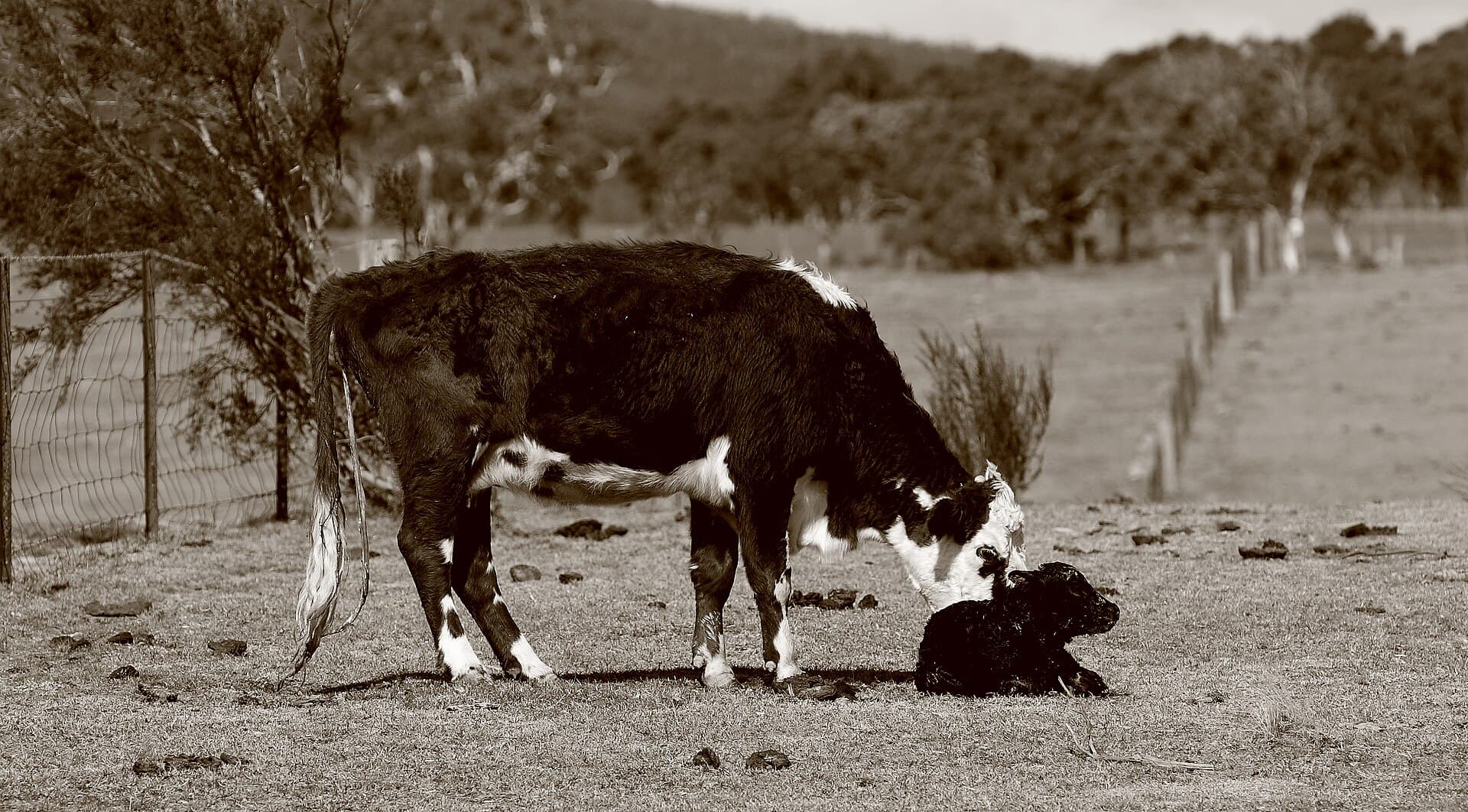
A Hereford, a beef breed, cleaning her newborn calf about twenty minutes after birth. On most dairy farms, the calf is taken from his mother right after birth.Jlenevez · CC BY 3.0 · source There is no difference in this regard between the pain of a person and the pain of other living beings, since the love and tenderness of the mother for her young ones is not produced by reasoning, but by imagination, and this faculty exists not only in man but in most living beings. Said on shiluach haken and oto v'et b'no. (Friedlander, 1903.)
Moreh Nevuchim 3:48 The spirit of the law
These laws all point the same way.
A God whose mercy is on all His works does not want His creatures abused. The only argument is over how far the letter of the law reaches, not over which way it points.
See it

A young calf in a sunlit field.David DeHetre · CC BY 2.0 · source וְרַחֲמָיו עַל־כׇּל־מַעֲשָׂיו
“His mercy is upon all His works.”
Tehillim 145:9 About this source
Recited three times a day, every day, in Ashrei.
Step 2 · The permission
The Torah allows meat because we crave it, not because we need it. The permission never covered the animal's suffering.
In full: Why did God allow meat? · 1 min →
Was it ever necessary?
When the Torah permits meat, its word for why is craving, not hunger.
The first diet God gave people had no animals in it. Meat came later, as a permission and not a command.
More
Rabbi Yosef Albo, a medieval authority, says that in permitting meat “the Torah spoke only against the evil inclination.”
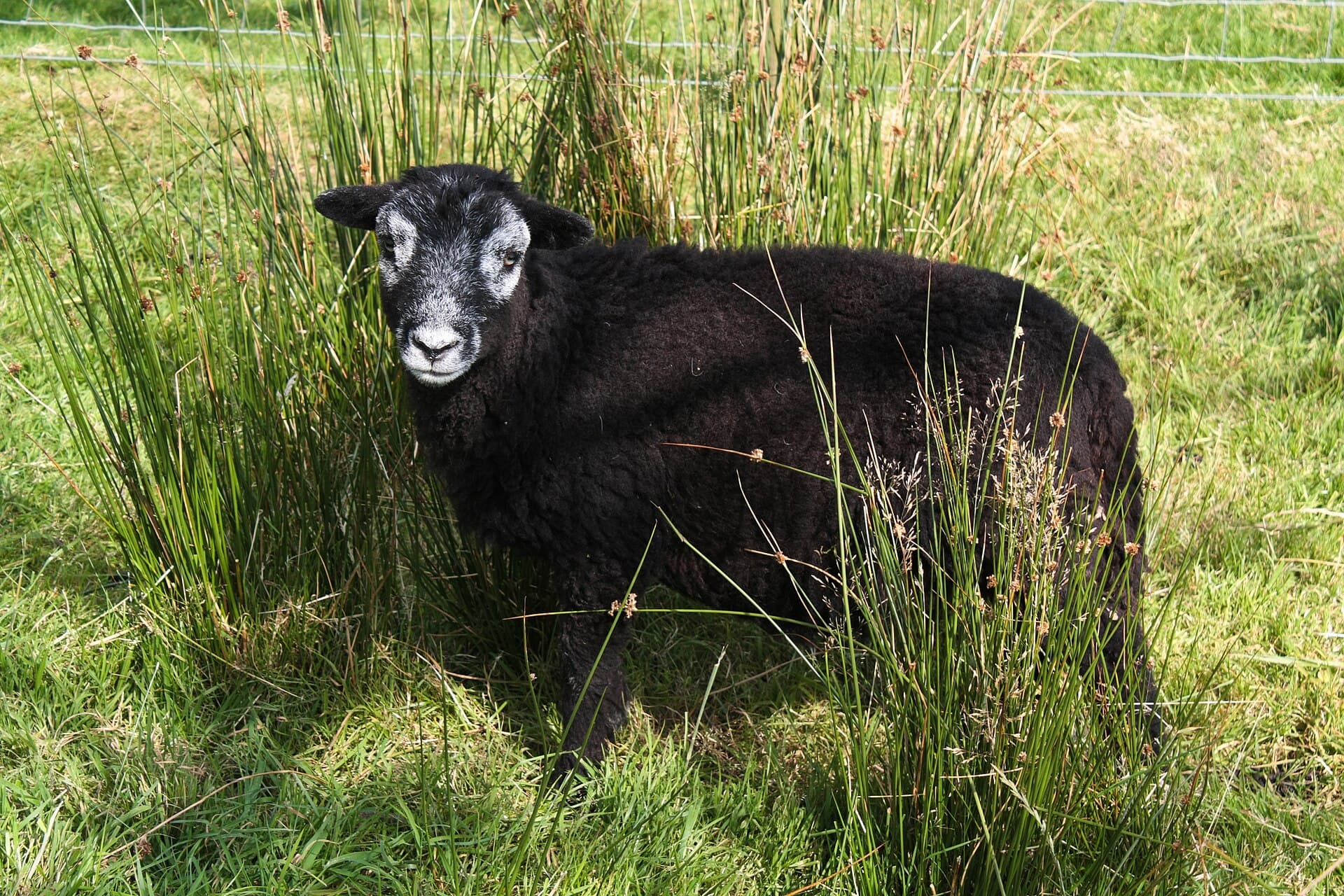
A Herdwick lamb in the Lake District, standing in the grass, looking back at whoever is holding the camera. The wolf shall dwell with the lamb.Shaun Dunmall · CC BY-SA 2.0 · source כִּי־תְאַוֶּה נַפְשְׁךָ לֶאֱכֹל בָּשָׂר... בְּכׇל־אַוַּת נַפְשְׁךָ תֹּאכַל בָּשָׂר
“When your soul craves to eat meat... according to the craving of your soul you may eat meat.”
Devarim 12:20 About this source
The Sages' term for ordinary meat is “meat of craving.” The verse permits it for craving.Also cited · Sefer HaIkkarim 3:15
כי מלבד מה שיש בהריגת הבעלי חיים אכזריות חמה ושטף אף ולמוד תכונה רעה אל האדם לשפוך דם חנם... ואפילו מה שהתיר מהם לא דברה תורה אלא כנגד יצר הרע, כמו שהתיר להם יפת תואר על זה הדרך... הנה גלו בפירוש שאכילת הבשר לא הותר אלא על צד ההכרח
“Besides the cruelty, rage and fury there is in killing living creatures, and its teaching a person the bad trait of shedding blood for nothing... even what the Torah permitted of them, 'the Torah spoke only against the evil inclination,' as it permitted the captive woman in the same way... they revealed plainly that eating meat was permitted only by way of necessity.”
Sefer HaIkkarim 3:15 About this source
Spain, early fifteenth century; the chapter is on Kayin and Hevel. Between the first fragment and the second he adds that meat 'produces coarseness and dullness in the soul,' and after the third that it was withheld at Creation 'though it is good food,' as wine is good and the Nazir who abstains is called holy. So he is not saying meat is bad; he is saying what kind of permission it is. His 'they' are the Sages of Chullin 84a. His last clause is a Rishon's reading of the permission, not a ruling; Devarim 12:20 grants meat for craving.Where the wanting comes from
The Torah's one story of meat eaten out of craving ends at a place called the Graves of the Craving.
The people had food. God gave them meat for a month, “until it comes out of your nostrils and becomes loathsome to you.” The place is named for the craving, not for the meat.
See it

The Negev near Avdat. In a wilderness like this one the Torah left a place called the Graves of the Craving, named for the wanting and not for the meat.Mark Neyman / Government Press Office of Israel · CC BY-SA 3.0 · source הַבָּשָׂר עוֹדֶנּוּ בֵּין שִׁנֵּיהֶם טֶרֶם יִכָּרֵת וְאַף ה׳ חָרָה בָעָם וַיַּךְ ה׳ בָּעָם מַכָּה רַבָּה מְאֹד וַיִּקְרָא אֶת־שֵׁם־הַמָּקוֹם הַהוּא קִבְרוֹת הַתַּאֲוָה כִּי־שָׁם קָבְרוּ אֶת־הָעָם הַמִּתְאַוִּים
“The meat was still between their teeth, not yet chewed, when the anger of Hashem flared against the people, and Hashem struck the people a very great blow. And he named that place Kivrot HaTaavah, Graves of the Craving, for there they buried the people who craved.”
Bamidbar 11:33–34 About this source
Not a punishment for eating meat, which the Torah permits and this site does not dispute; the camp was fed, and the place is named for the craving, not for the food. What the story judges is appetite that keeps demanding after the need is met.Also cited · Bamidbar 11:20
עַד אֲשֶׁר־יֵצֵא מֵאַפְּכֶם וְהָיָה לָכֶם לְזָרָא יַעַן כִּי־מְאַסְתֶּם אֶת־ה׳ אֲשֶׁר בְּקִרְבְּכֶם
“...until it comes out of your nostrils and becomes loathsome to you, because you have rejected Hashem who is among you.”
Bamidbar 11:20 About this source
God granting the meat, not refusing it: a month of what was demanded, until the wanting is gone. לְזָרָא appears nowhere else in Tanach. And with the need already met by manna, the verse calls the complaint that went with the craving, the weeping to go back to Egypt, מְאַסְתֶּם: a rejection of the One who was doing the feeding.
Step 3 · Complicity
A hen's suffering counts as much as a dog's, and when I buy, I share in it.
In full: Is buying it the same as doing it? · 1 min →
The test
Name the difference between the dog you would defend and the hen on the farm.
You would stop a man beating a dog, and standing up for the dog costs you nothing. Standing up for the hen costs you something you like. That is a real difference, but it is in what you get, not in what she feels.

A dog named Tomahawk, resting on a porch in California.Joe Parks · CC BY 2.0 · source Three possible answers
There are only three ways to answer this, and each one costs something.
Say the hen's suffering does not count, though the Torah says it does, and so did you when it was a dog.
Or name a real need. A real one excuses you, and this argument agrees.
Or name a difference other than taste.
See it
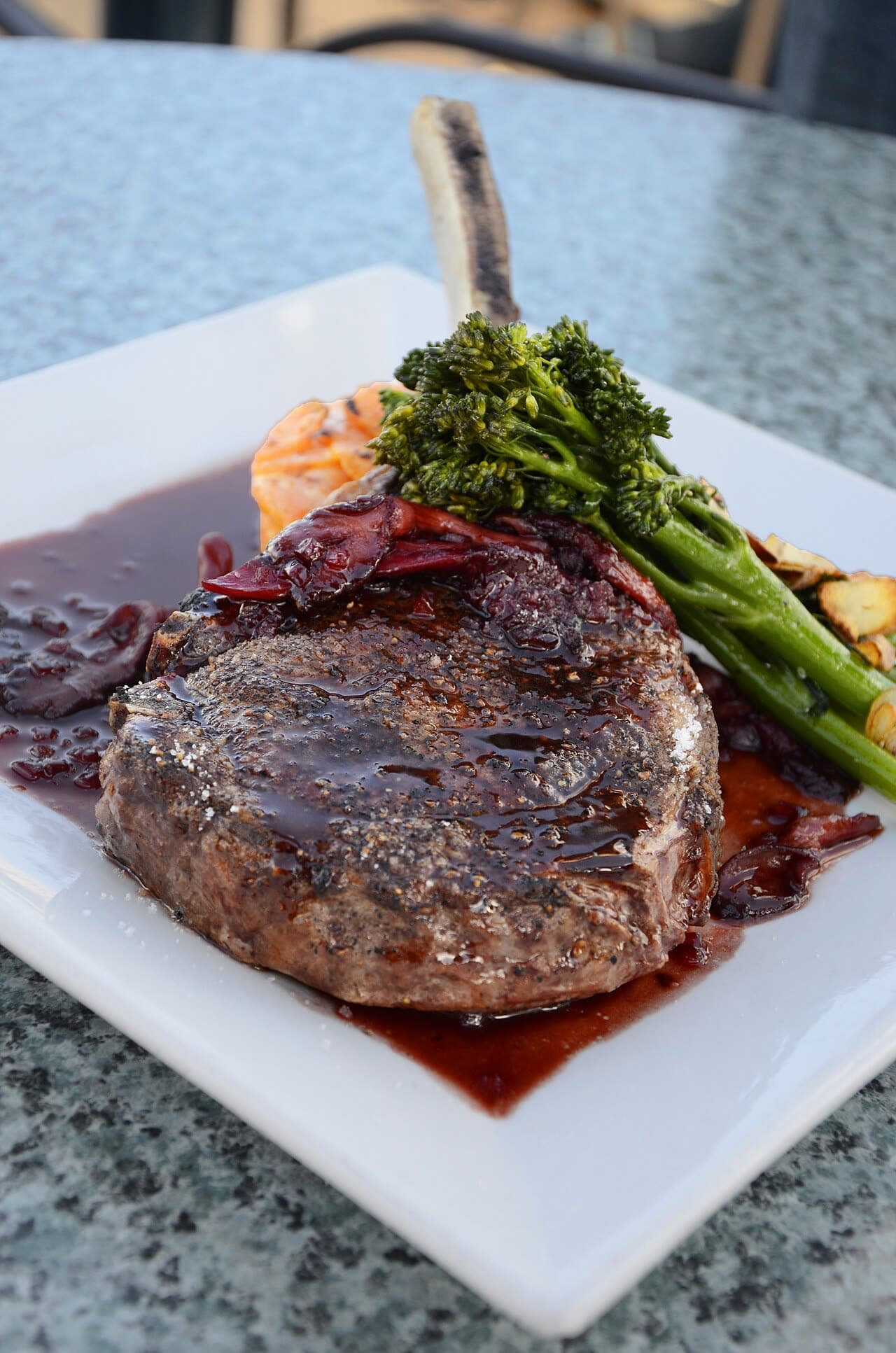
A steak, as a restaurant serves it. The question is what was on the other side of it: need, or taste.Alex Munsell · CC0 · source Before the blind
You may not help anyone do wrong. The Rambam says that includes whoever strengthens the people who do it.
His example is a purchase: buying from a robber, after the robbery, is forbidden because it strengthens the next one.
The Talmud's narrowest rule covers only a sin that could not happen without you. The Rambam's rule is wider, and the money is what keeps the farm running.
More
The Rema permits the sale where the sinner has another supplier, and ends with the clause people skip: anyone who takes his soul seriously should be strict with himself anyway.
See it
One hen, in a battery cage in Poland, 2019. The floor slopes so the eggs roll out. She cannot stand fully upright here.
וְלִפְנֵי עִוֵּר לֹא תִתֵּן מִכְשֹׁל וְיָרֵאתָ מֵּאֱלֹהֶיךָ
“You shall not place a stumbling block before the blind; you shall fear your God.”
Vayikra 19:14 Also cited · Rambam, Rotzeach 12:14
Lifnei iver extended to anyone who strengthens the hands of those who transgress.
Rambam, Rotzeach 12:14 Also cited · Rambam, Gezeilah 5:1
אָסוּר לִקְנוֹת דָּבָר הַגָּזוּל מִן הַגַּזְלָן... שֶׁכָּל הָעוֹשֶׂה דְּבָרִים אֵלּוּ וְכַיּוֹצֵא בָּהֶן מְחַזֵּק יְדֵי עוֹבְרֵי עֲבֵרָה וְעוֹבֵר עַל... וְלִפְנֵי עִוֵּר לֹא תִתֵּן מִכְשׁל
“It is forbidden to buy a stolen thing from the robber... for whoever does these things and the like strengthens the hands of transgressors and violates 'you shall not place a stumbling block before the blind'.”
Rambam, Gezeilah 5:1 About this source
The second gap marked with dots skips only the verse reference. The robbery is finished before the buyer arrives, the robber is not his agent, and the Rambam still puts the purchase under the ban on helping a wrong, because it strengthens the hands of the next robbery. That is the buyer's case, in the Rambam's own code, and step three carries it over to the farm.Also cited · Avodah Zarah 6b
מִנַּיִן שֶׁלֹּא יוֹשִׁיט אָדָם כּוֹס שֶׁל יַיִן לְנָזִיר... תַּלְמוּד לוֹמַר: וְלִפְנֵי עִוֵּר לֹא תִתֵּן מִכְשֹׁל... הָכָא בְּמַאי עָסְקִינַן? דְּקָאֵי בִּתְרֵי עֶבְרֵי נַהֲרָא
“From where do we know that a person may not hand a cup of wine to a nazirite?... The verse says: you shall not place a stumbling block before the blind... What are we dealing with here? A case where they stand on two sides of a river.”
Avodah Zarah 6b About this source
The sugya every discussion of lifnei iver starts from. The Torah-level prohibition, the Gemara says, is the case of the nazirite across the river: he cannot reach the wine without you. Where he could have taken it himself, handing it over is not the Torah's lifnei iver, and the Rishonim argue over what it is instead (Tosafot on Shabbat 3a call it a rabbinic prohibition on assisting a sinner; the Rambam folds assisting into the verse at Hilchot Rotzeach 12:14). This is the narrow reading the step on complicity raises against itself: the question is whether a shed that runs on orders is the near bank or the far one.Also cited · Rema, YD 151:1
אֲבָל אִם יְכוֹלִים לִקְנוֹת בְּמָקוֹם אַחֵר מוּתָּר לִמְכּוֹר לָהֶם כׇּל דָּבָר... וְיֵשׁ מַחְמִירִין וְנָהֲגוּ לְהָקֵל כִּסְבָרָא הָרִאשׁוֹנָה וְכׇל בַּעַל נֶפֶשׁ יַחְמִיר לְעַצְמוֹ
“But if they can buy it elsewhere, it is permitted to sell them anything... And some are strict; the custom is to be lenient, like the first view, and every ba'al nefesh should be strict with himself.”
Rema, YD 151:1 About this source
The Rema's gloss on selling to idolaters things they will use in their worship, the code's standing ruling on lifnei iver where the sinner has another supplier. Read all of it, because it is the strongest objection to the step on complicity and also its answer. The lenient view is real and it is the custom: where the wrong could be done without you, the law does not hold you for it. And the sentence ends by handing the question back to the person: a ba'al nefesh, someone who takes his own soul seriously, holds himself to the stricter view anyway. That is the Rema's own word for what this site asks of a reader who accepts the lenient view.
Step 4 · The facts
Factory farms make animals suffer as a matter of routine, and a kosher label does not change that. Every egg depends on the hatchery, and every carton of milk on the calf taken from his mother.
In full: What happens on the farms today? · 2 min →
What changed
Jewish law stayed the same. The farm changed.
The old farm had a yard and a farmer who knew his animals. What replaced it breeds turkeys so heavy that the whole industry runs on insemination by hand.
Commercial turkeys are bred by artificial insemination, week after week. Selection for a heavier, broader breast left the toms unable to transfer semen reliably at copulation. There is effectively no natural mating left in the industry.
Bakst & Dymond, poultry AI About this source
The common line that these birds are physically incapable of mating is stronger than the literature supports: they can mate, but not reliably enough for commercial production, so the whole industry runs on insemination by hand. The bird was bred into a body that can no longer reliably breed unless a person does it by hand.
The numbers
2,600 a second
That is how many land animals are killed for food every second. 83 billion a year, and 75 billion of them are chickens.
The floor of an ordinary broiler shed, looking down on young meat chickens crowded together on the litter.
83+ billion land animals slaughtered per year, roughly 2,600 every second.
UN FAO, FAOSTAT, 2022 About this source
Chickens alone are about 75 of the 83 billion, 75.4 billion slaughtered in 2022 in the same FAOSTAT series, which is why step four starts from one hen. Fish are counted separately.10 land animals a year for each of us, on the world average
Eighty-three billion killed in one year, divided among eight billion people, comes to about ten each. Someone who stops buying stops paying for their share, every year, for the rest of their life.
See it
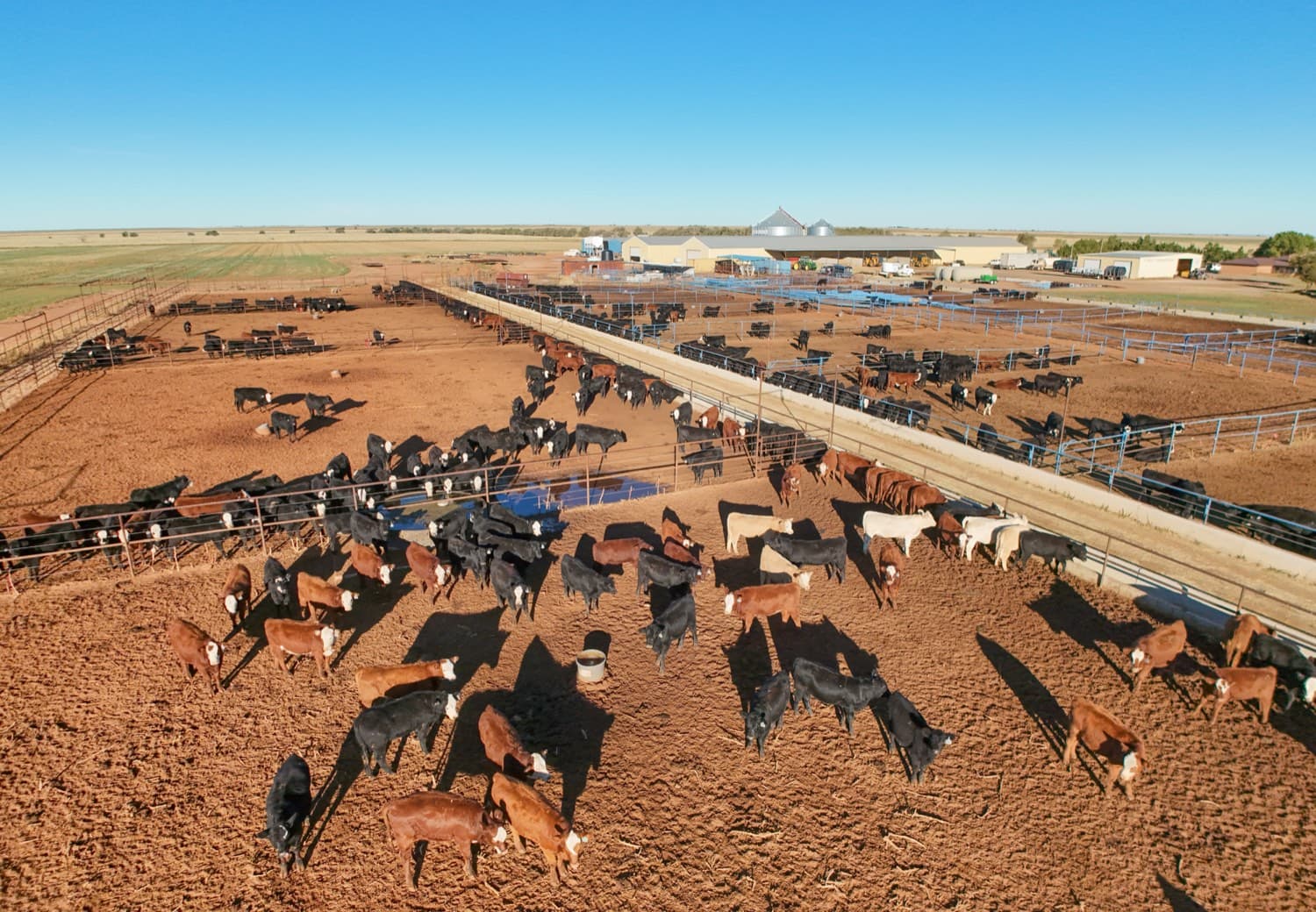
A cattle feedlot in New Mexico: hundreds of animals on bare dirt, with no pasture in the frame.Quintin Soloviev (2024) · CC BY 4.0 · source Also cited · UN FAO, FAOSTAT (2022)
83+ billion land animals slaughtered per year, roughly 2,600 every second.
UN FAO, FAOSTAT, 2022 About this source
Chickens alone are about 75 of the 83 billion, 75.4 billion slaughtered in 2022 in the same FAOSTAT series, which is why step four starts from one hen. Fish are counted separately.Day one is the last day for most male chicks
Male chicks cannot lay eggs, so the egg industry kills them on the day they hatch, billions a year. Germany banned the practice in 2022.
See it
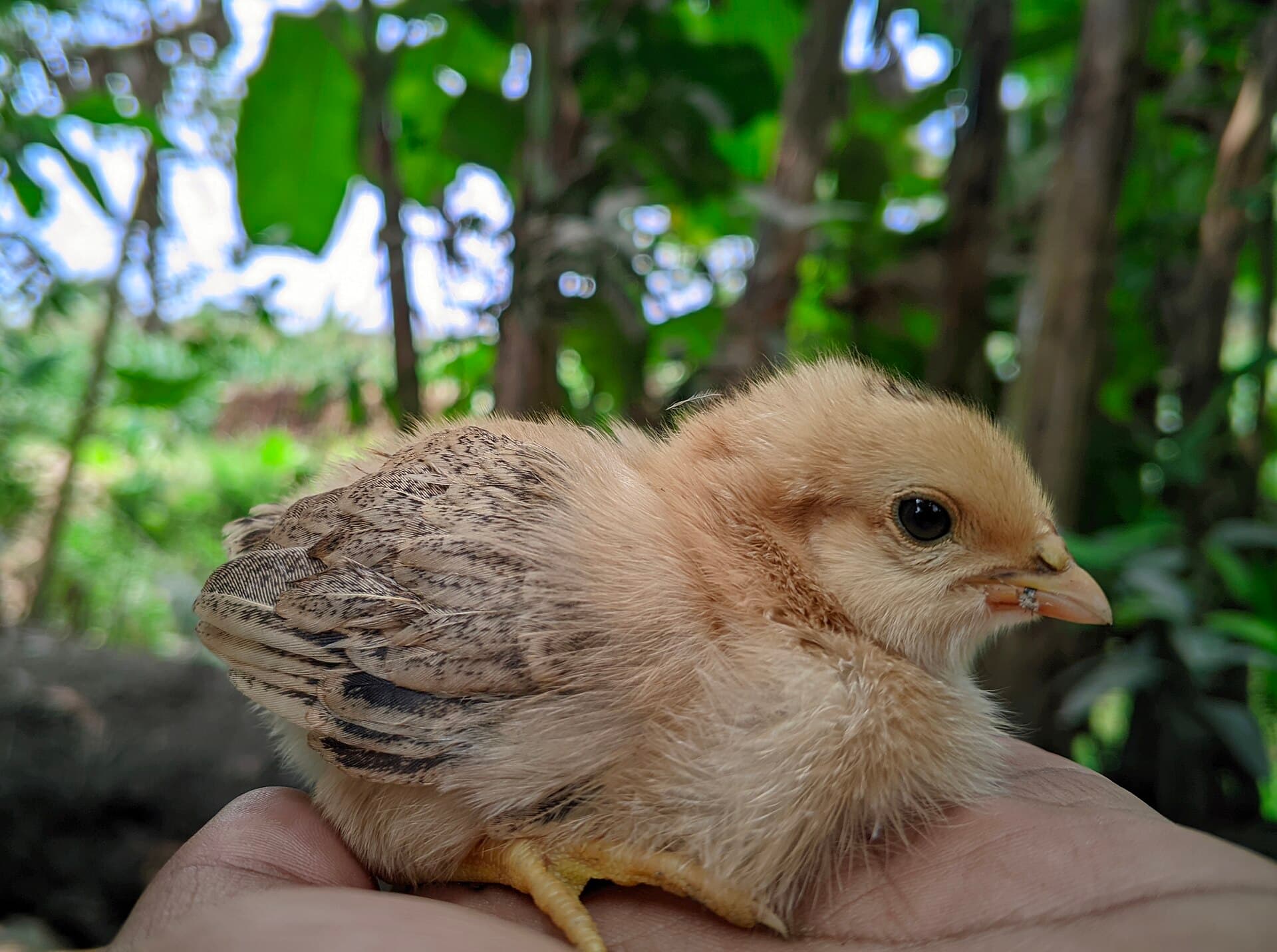
A chick a week or two old, sitting in someone's hand. Look at the size of him. Had he hatched in a laying hatchery and turned out male, he would not have lived this long: the males are killed on their first morning, billions of them a year.Tushar Hossain · CC BY-SA 4.0 · source Male chicks of laying breeds cannot lay and do not fatten well, so the egg industry kills them the day they hatch, by maceration or gassing, on the order of billions a year worldwide. The practice was judged indefensible enough that Germany banned it from 1 January 2022, and France from 2023.
Krautwald-Junghanns et al., 2018 About this source
A peer-reviewed review, cited for the practice and its rationale rather than a precise tally (global estimates cluster around 6–7 billion a year). Germany's ban took effect 1 January 2022; France's decree followed, with white-egg layer lines, over a tenth of French male chicks, carved out because they are harder to sex in the egg. In-ovo sexing is now the alternative, and it does nothing at all for the hens themselves.5 minutes with her calf is enough to bond
When the calf was taken, every cow in the study showed distress. Twelve hours later she could still pick him out.
More
If it were you, you would still be listening for him.
The Talmud says it as the thing everyone knew: more than the calf wants to suckle, the cow wants to nurse. The Torah will not take a newborn for the altar before he has had seven days under her. The dairy takes him inside one.
Five minutes with her calf after birth is enough to form a strong bond specific to that calf. Separated, every cow in the study showed distress — walking, urinating, butting, vocalising continually from one end of the paddock. She could still recognise her own calf twelve hours later. By twenty-four hours she was still distressed, and could no longer tell which calf was hers.
Hudson & Mullord, 1977 About this source
A 1977 husbandry study, not an advocacy paper — which is why this page leans on it. Note what it does not say: it did not measure whether she suffers more or less than a human mother would, and it is one study from one herd.Also cited · Pesachim 112a
יוֹתֵר מִמַּה שֶּׁהָעֵגֶל רוֹצֶה לִינַק פָּרָה רוֹצָה לְהָנִיק
“More than the calf wants to suckle, the cow wants to nurse.”
Pesachim 112a About this source
R. Akiva to R. Shimon bar Yochai, in prison, explaining why he wants to teach even more than his student wants to learn. It is an image for teaching, and it works as one only because everyone who heard it knew it was true of cows. The Talmud takes the mother's wanting for granted; the dairy schedule in step four is built around cutting it off (Hudson & Mullord (1977)).Also cited · Vayikra 22:27
שׁוֹר אוֹ־כֶשֶׂב אוֹ־עֵז כִּי יִוָּלֵד וְהָיָה שִׁבְעַת יָמִים תַּחַת אִמּוֹ
“An ox or a sheep or a goat, when it is born, shall stay seven days under its mother.”
Vayikra 22:27 About this source
The verse fixes when a newborn may be brought as an offering, the eighth day and after; it is not a law of husbandry, and this site does not read it as a ban on taking a calf from a cow. Asa Keisar's sefer does, and that reading is not repeated here. What stands without any reading is the number: the Torah will not have a calf at the altar before he has had a week with his mother, and the dairy takes him within a day (EFSA, calves (2023)).
What it looks like
Eggs
These cages are too small and too bare for what a hen wants to do. The eggs roll out through the bars, and the birds never leave.
Layer hens in battery cages, Bastos, Brazil. The eggs roll out on the belt below them.
See the rest of the footage (13)
Eggs
A laying hen in Israel. Her beak was cut back as a chick so crowded birds do not injure each other, and the cage wore the feathers off her neck.
A laying hen at Shefer, Israel, January 2012. Her beak was cut back as a chick so that crowded birds do not injure each other, and the bare patches are where the cage wore her feathers off. The EU's own scientists say the cutting hurts and should be phased out; it is still standard.
Chicken
A free-range shed, with doors to the outside. This is the humane end of the industry, and it still looks like this.
Inside a free-range broiler shed, packed end to end with birds.
Eggs
This is the machine in an Israeli hatchery. Male chicks cannot lay eggs, so on the day they hatch they go down this funnel.
The machine itself, in an Israeli hatchery in 2014. Male chicks cannot lay eggs, so on the day they hatch they go down this funnel. It is quiet, clean, and on wheels. Nothing in the picture is graphic; the picture is what the industry looks like when nobody is being filmed.
Milk
Born 27 July 2014 on an Israeli dairy farm and taken from his mother the same day. The tag is the only name he will get.
Number 556, born 27 July 2014 on an Israeli dairy farm and taken from his mother the same day.
Milk
She is following the calves' trailer. Dairy calves are taken within a day of birth so the milk can be sold.
Newborn dairy calves being taken away, with a cow walking after them, on film. The captions in it address the viewer directly and are its publisher's, not this page's.
Milk
The calf nursery at a kibbutz dairy in Israel. Newborns are taken from their mothers at once and kept one to a cage under a heat lamp.
The calf nursery at a kibbutz dairy in Israel, 2016. Newborn calves are taken from their mothers at once and kept one to a cage under a heat lamp. The milk that would have been theirs is the milk that is sold.
Milk
Where a calf on an Israeli dairy farm goes after he is separated from his mother. He gets one lamp, a little straw, and nobody.
A calf on an Israeli dairy farm, 2014, in the pen where he was put after being separated from his mother. The pen has one lamp and a little straw, and no other animal.
Veal and dairy
This is where a dairy calf goes once she is taken from her mother. Each box holds one calf, alone.
Calf hutches: the standard housing for a dairy calf once she is taken off her mother. An edited campaign clip — the captions and the inset belong to its publisher, and the underlying footage carries no attribution of its own.
Milk
A dairy barn. Each cow is chained to her place by the neck, and the calf behind her is chained too.
A tethered dairy barn in Poland, 2014. Each cow is chained to her place by the neck. The one looking at you is a mother, kept in milk, whose calves are taken.
Israeli slaughterhouse
A calf in the holding pen of an Israeli slaughterhouse, waiting his turn. Kosher supervision begins at the knife. This is the part before it.
A calf in the holding pen of an Israeli slaughterhouse, 2013, waiting his turn. Kosher supervision begins at the knife, and this is the part before it.
Israeli slaughterhouse
The kill floor of an Israeli slaughterhouse in the seconds after the cut. Whether she was still conscious cannot be known from a photograph. What can be known is the floor, and this is the part kosher supervision does inspect.
The kill floor of an Israeli slaughterhouse, 2005, in the seconds after the cut. Whether she was still conscious cannot be known from a photograph. What can be known is the floor. This is the part kosher supervision does inspect.
Israeli slaughterhouse
The same floor minutes later. The round steel door is the pen that turns each animal onto her back for the cut, one after another.
The same floor, minutes later. The round steel door is the rotating pen that turns each animal onto her back for the cut; the chain is for the hoist.
Turkey
She has been bred heavier than her legs are built to carry, and the males of her breed can no longer mate reliably, so the industry breeds them by hand.
A young turkey in a commercial shed.
Step 5 · The need
I don't need meat, milk or eggs. I can live well without supporting that suffering.
In full: Do you still need it? · 2 min →
Rav Moshe's line
Need on one side, taste on the other.
Rav Moshe Feinstein let tastier meat justify some pain, and forbade raising white veal, where the only gain was how the meat looked.
Rav Moshe stopped there. Taste is not a need: the Torah's word for it is craving. Ask yourself which side your reason is on.
וְהִנֵּה לְאֵלּוּ שֶׁעוֹשִׂין זֶה אִיכָּא וַדַּאי אִסּוּר דְּצַעַר בַּעֲלֵי חַיִּים, דְּאַף שֶׁהֻתַּר לְצֹרֶךְ הָאָדָם הוּא כְּשֶׁאִיכָּא צֹרֶךְ... אֲבָל לֹא לְצַעֲרָם בְּעָלְמָא, שֶׁזֶּה אָסוּר אַף אִם יִהְיֶה לְאֶחָד הַרְוָחָה בָּזֶה... וּבַעֲלֵי נֶפֶשׁ אֵין לָהֶם לֶאֱכֹל כְּלָל מֵעֲגָלִים כָּאֵלּוּ
“For those who do this there is certainly a prohibition of tza'ar ba'alei chayim. Although this is permissible when done to serve human needs, that is only when there is a true need... But it is not permissible to cause them pain for no good reason, even if there exists an individual who will derive some profit from this... A ba'al nefesh should not eat from such calves at all.”
Igrot Moshe, EH 4:92 About this source
Addressed to his son-in-law, R. Moshe David Tendler. Read it whole before leaning on it. The prohibition is laid on the producers. To the eater he gives advice for the scrupulous, not a decree, and his bar on eating rests largely on defects that make the meat non-kosher: strict slaughterers passed about 15% of such calves, lenient ones 44 to 45%. The same ruling permits pain for real human need, and fattening animals so their meat tastes better. White veal fails because the benefit is cosmetic, not because profit is disqualifying; one published reading says misleading the buyer decided it (Zivotofsky et al., Hakirah 25). Its closing line calls raising it forbidden 'מאיסור צער בע״ח מדאורייתא', by the Torah's own prohibition on causing animals pain, as printed in the linked source sheet.Also cited · Rema, EH 5:14
כָּל דָּבָר הַצָּרִיךְ לִרְפוּאָה אוֹ לִשְׁאָר דְּבָרִים לֵית בֵּיהּ מִשּׁוּם אִיסּוּר צַעַר בַּעֲלֵי חַיִּים... וְלָכֵן מוּתָּר לִמְרוֹט נוֹצוֹת מֵאֲוָזוֹת חַיּוֹת וְלֵיכָּא לְמֵיחַשׁ מִשּׁוּם צַעַר בַּעֲלֵי חַיִּים... הָעוֹלָם נִמְנָעִים דַּהֲוֵי אַכְזָרִיּוּת
“Anything needed for healing or for other purposes carries no prohibition of tza'ar ba'alei chayim... Therefore it is permitted to pluck feathers from live geese, and there is no concern of tza'ar ba'alei chayim... People refrain, because it is cruelty.”
Rema, EH 5:14 About this source
The line later rulings on animal pain argue from, and it sits in a gloss on the laws of castration. The Rema codifies the Terumat HaDeshen (Pesakim uChtavim 105) and the Issur VeHeter HaAruch (59): human need makes it permitted. Everything downstream, the Noda BiYehuda on hunting, Igrot Moshe on veal, the debates over what counts as need, is an argument about this sentence. Read all three clauses. The permission is conditioned on need. The example is a real practice of the Rema's day. And the last clause, which in the original opens with 'nevertheless', is the Rema's own report that people refrained, and his own word for why: cruelty.Also cited · Devarim 12:20
כִּי־תְאַוֶּה נַפְשְׁךָ לֶאֱכֹל בָּשָׂר... בְּכׇל־אַוַּת נַפְשְׁךָ תֹּאכַל בָּשָׂר
“When your soul craves to eat meat... according to the craving of your soul you may eat meat.”
Devarim 12:20 About this source
The Sages' term for ordinary meat is “meat of craving.” The verse permits it for craving.Name the need
Only a real need can justify suffering this severe.
A real need still counts: illness, a body that cannot absorb what it needs, poverty with no other food. A household that isn't ready limits the shared table, not what you buy and eat yourself.
For everyone else, dietitians say a planned vegan diet can be adequate for adults.
More
A real need covers exactly what it covers, and no more.
Taste, habit, convenience and what people will think are not needs.
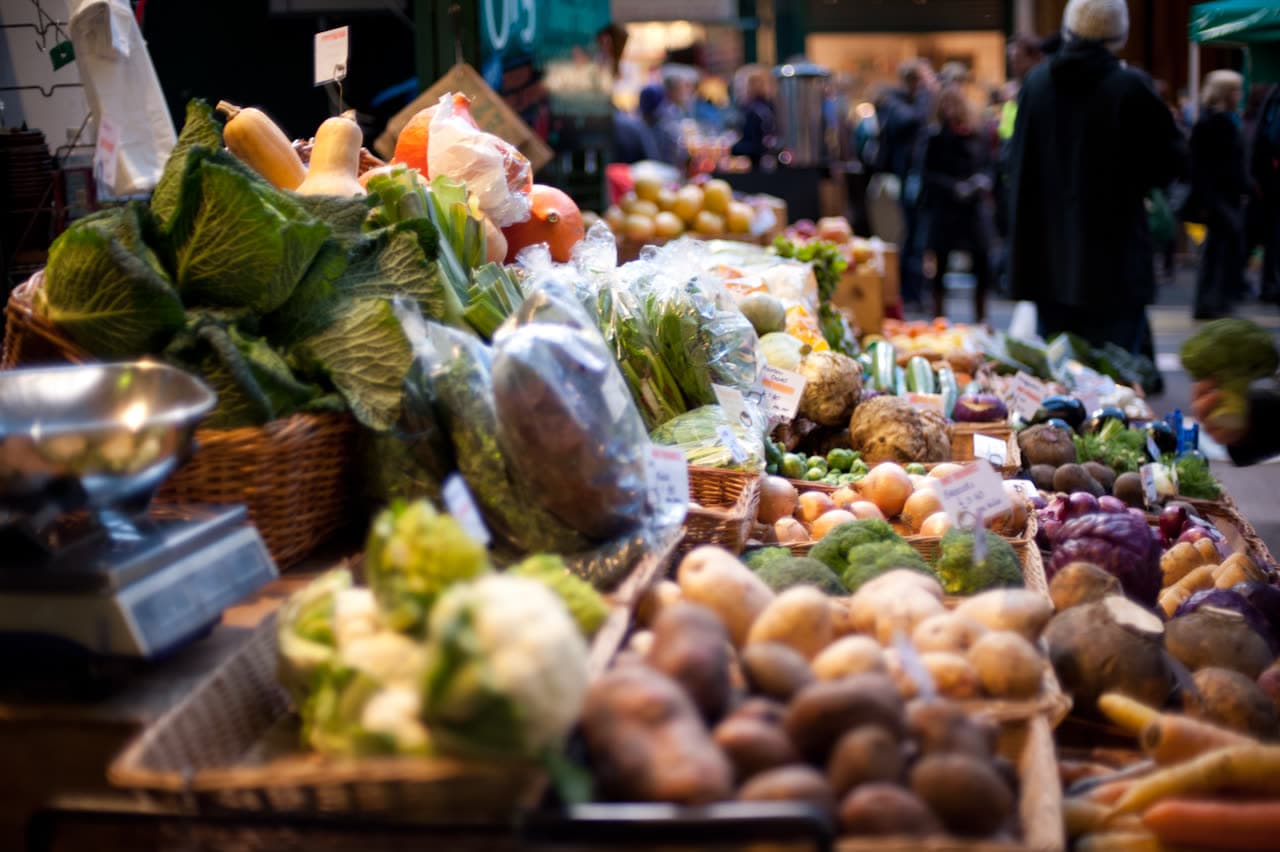
A vegetable stall at Borough Market, London. For every generation before this one, living without animal foods carried real risk, until vitamin B12 was isolated in 1948.Jack Gavigan · CC BY-SA 3.0 · source The Academy's current position, in effect to 31 December 2032: in adults, appropriately planned vegetarian and vegan dietary patterns can be nutritionally adequate. Vegan dietary patterns, it says, exclude all foods of animal origin.
Academy of Nutrition & Dietetics, 2025 About this source
The replacement is narrower than its predecessor: it addresses adults, and drops the 2016 paper's explicit endorsement for pregnancy, infancy, and childhood, not because those were retracted, but because the review's scope was set to adults. The site states the narrower claim; its argument only needs that a healthy animal-free diet is available to the person reading it.Kosher is not the end of it
A ruling that the meat may be eaten never permitted the suffering behind it.
A senior rabbi was sent a written description of the practices, agreed they may well be forbidden cruelty to animals, and permitted the meat anyway.
It is the strongest source against this argument.
He ruled that the meat may be eaten, not that you may keep paying for what he conceded. No authority has ruled on that, and none needs to: the Torah's own prohibitions already answer it.
Written for the Zelcers' article: the practices of factory farming may well constitute tza'ar ba'alei chayim, and the meat and poultry produced by them remain permitted to eat.
R. Shmuel Kamenetsky, Hakirah 24 About this source
The strongest source against this site's case. A senior posek was sent a written description of the practices, granted that they may well be tza'ar ba'alei chayim, and permitted the food anyway. On the usual explanation, the prohibition falls on the person doing the act, and halacha has no way to make the meat itself forbidden. The Zelcers also report Kamenetsky's view that Igrot Moshe's veal teshuvah in fact rejects the Terumat HaDeshen and the Rema who codified him, and that Rav Moshe simply declined to say so.Permitted, and not done
The Rema permits plucking a live goose, then writes that people refrain because it is cruelty.
The same sentence is the source of the rule everyone leans on: what a person needs makes it allowed. Read the clause after it.
More
What is permitted is the minimum, not the standard. A practice can be allowed and still be something people refrain from, and the rabbi who wrote the law down is the one who tells you so.
כָּל דָּבָר הַצָּרִיךְ לִרְפוּאָה אוֹ לִשְׁאָר דְּבָרִים לֵית בֵּיהּ מִשּׁוּם אִיסּוּר צַעַר בַּעֲלֵי חַיִּים... וְלָכֵן מוּתָּר לִמְרוֹט נוֹצוֹת מֵאֲוָזוֹת חַיּוֹת וְלֵיכָּא לְמֵיחַשׁ מִשּׁוּם צַעַר בַּעֲלֵי חַיִּים... הָעוֹלָם נִמְנָעִים דַּהֲוֵי אַכְזָרִיּוּת
“Anything needed for healing or for other purposes carries no prohibition of tza'ar ba'alei chayim... Therefore it is permitted to pluck feathers from live geese, and there is no concern of tza'ar ba'alei chayim... People refrain, because it is cruelty.”
Rema, EH 5:14 About this source
The line later rulings on animal pain argue from, and it sits in a gloss on the laws of castration. The Rema codifies the Terumat HaDeshen (Pesakim uChtavim 105) and the Issur VeHeter HaAruch (59): human need makes it permitted. Everything downstream, the Noda BiYehuda on hunting, Igrot Moshe on veal, the debates over what counts as need, is an argument about this sentence. Read all three clauses. The permission is conditioned on need. The example is a real practice of the Rema's day. And the last clause, which in the original opens with 'nevertheless', is the Rema's own report that people refrained, and his own word for why: cruelty.
The verdict
Without a real need, buying meat, milk or eggs is wrong, and the Torah forbids it. Go vegan, starting at your next meal.
Repentance
In full: What does repentance ask of us? · 1 min →
Where it ends
In the prophets' picture of the end, even the lion eats straw.
The Rambam reads the wolf and the lamb as a parable, and nothing here needs it to be literal. A parable still says what the end is meant to look like.
More
Why will the lion eat straw? The Abarbanel: because flesh breeds cruelty, and that day has none.
וְגָר זְאֵב עִם־כֶּבֶשׂ... לֹא־יָרֵעוּ וְלֹא־יַשְׁחִיתוּ בְּכׇל־הַר קׇדְשִׁי כִּי־מָלְאָה הָאָרֶץ דֵּעָה אֶת־ה׳
“The wolf shall dwell with the lamb... they shall not hurt nor destroy on all My holy mountain, for the earth shall be full of the knowledge of Hashem.”
Yeshayahu 11:6–9 Also cited · Rambam, Melachim 12:1
וְזֶה שֶׁנֶּאֱמַר בִּישַׁעְיָה... מָשָׁל וְחִידָה... וְלֹא יִגְזְלוּ וְלֹא יַשְׁחִיתוּ. אֶלָּא יֹאכְלוּ דָּבָר הַמֻּתָּר בְּנַחַת
“And that which is said in Yeshayahu ["the wolf shall dwell with the lamb"] is a parable and a riddle... they will not rob and will not destroy, but will eat what is permitted, peaceably.”
Rambam, Melachim 12:1 About this source
The strongest source against reading Yeshayahu 11 literally, and it belongs to the same Rambam this site leans on everywhere else. He reads the wolf as the nations and the lamb as Israel. Worth reading to the end of the halacha even so: unpacking the parable, he keeps the eating in it. The change he describes is from taking by force to eating what is permitted, and he anchors that on 'the lion shall eat straw like the ox.'Also cited · Abarbanel on Yeshayahu 11
וענינו אצלי שאכילת הבשר לבעלי חיים, מוליד בו אכזריות חמה ותכונה רעה... כשנתן הקדוש ברוך הוא רשות לנח ולבניו לאכול בשר אמר... אך את דמכם לנפשותיכם אדרוש, מפני שחשש שמפאת האכזריות והזדון אשר יתילד בהם מאכילת הבשר יהרגו איש לאחיו
“And its meaning, to me, is that eating flesh breeds in a living creature cruelty, rage and a bad disposition... When the Holy One gave Noach and his sons leave to eat meat, He said, in the next verse, 'But your blood, of your lives, I will require', because He feared that from the cruelty and malice which eating meat would breed in them, a man would kill his brother.”
Abarbanel on Yeshayahu 11 About this source
On 'the lion shall eat straw like the ox.' The second elision skips only his verse reference (Bereishit 9:5). He is reading the order of the verses in Bereishit 9: first the permission, then at once the ban on murder. He cites Chullin 84a for it. It is the claim of the Ramban and the Chinuch, that the laws about animals are aimed at what we become, in its sharpest form. He is not calling anyone who eats meat a murderer, and neither does this site.
What people say
The ones everyone has heard
“I know it’s wrong. I’ll keep eating it anyway.”Then you agree with every step, and what holds you is a craving.
Nobody is asking you to stop wanting it. The Talmud says it is better to sin without knowing than knowingly, and you know now. Start with the next meal.
הַנַּח לָהֶם לְיִשְׂרָאֵל, מוּטָב שֶׁיִּהְיוּ שׁוֹגְגִין וְאַל יִהְיוּ מְזִידִין
“Leave Israel alone: better that they be unwitting than deliberate transgressors.”
About this source
Codified at Shulchan Aruch, Orach Chaim 608:2. The Rema limits it to prohibitions that are Torah-level but not explicit in the Torah, which is where tza'ar ba'alei chayim falls. The same gloss confines the silence to the public: one person must still be rebuked.“God gave us dominion.”Dominion means being in charge of them, not owning them.
The Talmud says the same verse gave Adam no meat: rule over them, not eat them. And the same Torah puts him in the garden to work it and to guard it.
More
When a calf hid under Rebbi's cloak and he said 'for this you were created', Heaven answered with thirteen years of pain.
לְעׇבְדָהּ וּלְשׇׁמְרָהּ
“God placed the human in the garden 'to work it and to guard it'. The mandate is not only to use the world but to keep it.”
“It’s natural.”In the Torah's first world, nothing was killed for food.
Even if it were natural, nothing would follow; disease is natural too. And there is nothing natural about a battery cage, or about grinding male chicks alive on the day they hatch.
More
We are not lions, and we are not starving.
Humanity's first diet, containing no animals.
“Real men eat meat.”Who is mighty? The one who conquers his own impulse.
That is the sage Ben Zoma's answer in Ethics of the Fathers.
More
By that test, strength is what a man can decline.
אֵיזֶהוּ גִבּוֹר, הַכּוֹבֵשׁ אֶת יִצְרוֹ
“"Who is mighty? The one who conquers his own impulse." Ben Zoma's answer, brought on Mishlei 16:32: better to be slow to anger than mighty, and to rule your own spirit than to capture a city.”
About this source
The word is the one Nimrod carries in Bereishit 10:9. Ben Zoma is not coining a metaphor beside the ordinary meaning of gibor; he asks which man deserves the word and answers with the one who can decline something he wants.“So a chicken is worth the same as a person?”No. People are made in God's image, and animals are not.
An animal's pain sets aside a rabbinic rule on Shabbat. A human life sets aside the Torah's own. Both count, and they do not count the same.
More
This argument never needed them to be equal. It needs an animal's suffering to count for something, and the Torah says it does.
בְּצֶלֶם אֱלֹהִים בָּרָא אֹתוֹ
“"in the image of God He created him", said of the human being and of no other creature. The verse the hierarchy rests on, and the reason this site does not hold that animals and people are equal.”
“It’s our tradition.”Every Jew before you lacked what you have: a way to live well without animal foods.
The Torah permitted meat for craving, never for the cage. And until yours, no generation could stay reliably healthy without animal foods.
Humanity's first diet, containing no animals.
“An animal's end is slaughter.”It says everyone's end is death. It is a line about dying, not about what animals are for.
Rabbi Yochanan said it whenever he finished the book of Iyov: a person's end is to die, an animal's end is to be slaughtered, so happy is the one who leaves a good name. Read whole, it is about you.
More
It describes what happens to animals in a world where people slaughter them. It does not say that is what they are for, and the one time a sage said that to a calf's face, he suffered for it.
סוֹף אָדָם לָמוּת וְסוֹף בְּהֵמָה לִשְׁחִיטָה, וְהַכֹּל לְמִיתָה הֵם עוֹמְדִים. אַשְׁרֵי מִי שֶׁגָּדֵל בַּתּוֹרָה
“The end of a person is to die, and the end of an animal is to be slaughtered, and all stand ready for death. Happy is the one who grew up in Torah.”
About this source
R. Yochanan said it whenever he finished the book of Iyov, and read whole it is a line about mortality, not about menus: everything dies, so what matters is the name you leave. The half that gets quoted at dinner tables, 'an animal's end is slaughter', is a description of what happens to animals in a world where people slaughter them. It is not a statement of what they are for, and the Talmud never uses it as one.The ones that sound like Jewish law
“Kosher slaughter is humane.”Kosher slaughter rules on the knife. It does not rule on the months before it.
It covers the last seconds of a life.
More
It does not cover the crate, the shed, the truck, or the months before the knife. A senior posek granted that those practices may well be forbidden cruelty, and ruled the meat permitted anyway.
Written for the Zelcers' article: the practices of factory farming may well constitute tza'ar ba'alei chayim, and the meat and poultry produced by them remain permitted to eat.
About this source
The strongest source against this site's case. A senior posek was sent a written description of the practices, granted that they may well be tza'ar ba'alei chayim, and permitted the food anyway. On the usual explanation, the prohibition falls on the person doing the act, and halacha has no way to make the meat itself forbidden. The Zelcers also report Kamenetsky's view that Igrot Moshe's veal teshuvah in fact rejects the Terumat HaDeshen and the Rema who codified him, and that Rav Moshe simply declined to say so.“There’s a mitzvah to eat meat on festivals.”The mitzvah is to be joyful on the festival, and the Torah never named the food.
The meat in that saying was the festival offering, eaten off the altar in Jerusalem.
More
The same sage says that once the Temple fell, the joy is in wine.
The Magen Avraham rules that even on Shabbat a man who does not want meat leaves it, and that the obligation belonged to the Temple.
בִּזְמַן שֶׁבֵּית הַמִּקְדָּשׁ קַיָּים אֵין שִׂמְחָה אֶלָּא בְּבָשָׂר... וְעַכְשָׁיו שֶׁאֵין בֵּית הַמִּקְדָּשׁ קַיָּים אֵין שִׂמְחָה אֶלָּא בְּיַיִן
“R. Yehuda ben Beteira: when the Temple stood, there is no joy except with meat, the shelamim offering, 'you shall slaughter peace-offerings and eat there and rejoice' (Devarim 27:7); and now that the Temple does not stand, there is no joy except with wine, 'wine gladdens the heart of man' (Tehillim 104:15).”
“It has a kosher certificate.”A kosher certificate covers the meat, not the life behind it.
A senior posek was sent a description of factory-farm practices, granted that they may well be forbidden cruelty, and ruled that the meat stays permitted to eat.
More
So a kosher certificate answers whether the meat may be eaten. Whether you may pay for how the animal was raised is a different question, and the Torah's own prohibitions answer it.
Written for the Zelcers' article: the practices of factory farming may well constitute tza'ar ba'alei chayim, and the meat and poultry produced by them remain permitted to eat.
About this source
The strongest source against this site's case. A senior posek was sent a written description of the practices, granted that they may well be tza'ar ba'alei chayim, and permitted the food anyway. On the usual explanation, the prohibition falls on the person doing the act, and halacha has no way to make the meat itself forbidden. The Zelcers also report Kamenetsky's view that Igrot Moshe's veal teshuvah in fact rejects the Terumat HaDeshen and the Rema who codified him, and that Rav Moshe simply declined to say so.“My rabbi would have said so.”Ask him whether the farm is fine, not only whether the meat is kosher.
A ruling that the meat is permitted is not a ruling that the suffering is fine.
And no rabbi alive can forbid meat to every Jew: that would take the Great Sanhedrin, the high court of Temple times, and there is none. The law against needless suffering already exists.
More
Face to face, Jewish law says he may not stay silent.
Written for the Zelcers' article: the practices of factory farming may well constitute tza'ar ba'alei chayim, and the meat and poultry produced by them remain permitted to eat.
About this source
The strongest source against this site's case. A senior posek was sent a written description of the practices, granted that they may well be tza'ar ba'alei chayim, and permitted the food anyway. On the usual explanation, the prohibition falls on the person doing the act, and halacha has no way to make the meat itself forbidden. The Zelcers also report Kamenetsky's view that Igrot Moshe's veal teshuvah in fact rejects the Terumat HaDeshen and the Rema who codified him, and that Rav Moshe simply declined to say so.“It’s a personal choice.”It is your choice. It is also a purchase, and an animal is on the other end of it.
What you buy pays for the next one, and it is still your money when other hands do the work.
More
The Talmud says all Jews are responsible for one another. A small share of a wrong is still a share of it.
כָּל יִשְׂרָאֵל עֲרֵבִים זֶה בָּזֶה
“All Israel are guarantors for one another.”
“Someone else will buy it anyway.”Others would buy from a robber too, and the Rambam still forbids buying from him.
The purchase strengthens the next robbery. The Rema adds that anyone who takes his soul seriously should be strict with himself.
אָסוּר לִקְנוֹת דָּבָר הַגָּזוּל מִן הַגַּזְלָן... שֶׁכָּל הָעוֹשֶׂה דְּבָרִים אֵלּוּ וְכַיּוֹצֵא בָּהֶן מְחַזֵּק יְדֵי עוֹבְרֵי עֲבֵרָה וְעוֹבֵר עַל... וְלִפְנֵי עִוֵּר לֹא תִתֵּן מִכְשׁל
“It is forbidden to buy a stolen thing from the robber... for whoever does these things and the like strengthens the hands of transgressors and violates 'you shall not place a stumbling block before the blind'.”
About this source
The second gap marked with dots skips only the verse reference. The robbery is finished before the buyer arrives, the robber is not his agent, and the Rambam still puts the purchase under the ban on helping a wrong, because it strengthens the hands of the next robbery. That is the buyer's case, in the Rambam's own code, and step three carries it over to the farm.“The farmer isn’t Jewish.”The farm causes the pain to fill orders, and the order is yours.
This argument never claims the farmer is bound. It rests on what the buyer does.
More
The ban on helping someone do wrong reaches a non-Jew too: among the Talmud’s first examples is handing a limb from a living animal to a non-Jew.
מִנַּיִן שֶׁלֹּא יוֹשִׁיט אָדָם כּוֹס שֶׁל יַיִן לְנָזִיר, וְאֵבֶר מִן הַחַי לִבְנֵי נֹחַ? תַּלְמוּד לוֹמַר: ״וְלִפְנֵי עִוֵּר לֹא תִתֵּן מִכְשֹׁל״
“From where is it derived that a person may not extend a cup of wine to a nazirite, who is prohibited from drinking wine, and that he may not extend a limb severed from a living animal to descendants of Noah? The verse states: “And you shall not put a stumbling block before the blind””
About this source
The opening line of the sugya, in full; the translation is Sefaria's (William Davidson, Koren-Steinsaltz). The Talmud's own first examples of lifnei iver include handing a non-Jew a limb from a living animal, which the laws of the descendants of Noah forbid him: the ban on helping a wrong reaches helping a non-Jew break a law that binds him. Checked against Sefaria's text, Hebrew and English, on 10 October 2026.“The Torah commands animal offerings.”The ban is on the pain in an animal’s life, not on its death.
Even the altar would not take a newborn calf before he had seven days with his mother. The dairy takes him within one.
More
The Torah commands offerings and permits slaughter, and this argument disputes neither.
שׁוֹר אוֹ־כֶשֶׂב אוֹ־עֵז כִּי יִוָּלֵד וְהָיָה שִׁבְעַת יָמִים תַּחַת אִמּוֹ
“An ox or a sheep or a goat, when it is born, shall stay seven days under its mother.”
About this source
The verse fixes when a newborn may be brought as an offering, the eighth day and after; it is not a law of husbandry, and this site does not read it as a ban on taking a calf from a cow. Asa Keisar's sefer does, and that reading is not repeated here. What stands without any reading is the number: the Torah will not have a calf at the altar before he has had a week with his mother, and the dairy takes him within a day (EFSA, calves (2023)).The half-measures
“I’ll cut out meat.”The line falls at vegan. Eggs pay for the hatchery, and milk for the calf taken from his mother.
Most male chicks the egg industry hatches are killed on the day they hatch.
More
What counts is what your money pays for, not whether you eat the meat.
צער בעלי חיים דאורייתא
“A debate on whether animal suffering is a Torah-level prohibition.”
About this source
The Talmud records a dispute; most later authorities, the Rif and the Rosh among them, treat it as Torah law. On every view, it binds. No opinion in the tradition permits needless animal suffering.“I’ll keep only fish.”A fish is a living soul too, and fish most likely feel pain.
The Torah first calls a fish a living soul.
More
A fish injected with an irritant rubs the spot, rocks, and stops eating.
יִשְׁרְצוּ הַמַּיִם שֶׁרֶץ נֶפֶשׁ חַיָּה... וְאֵת כׇּל־נֶפֶשׁ הַחַיָּה הָרֹמֶשֶׂת אֲשֶׁר שָׁרְצוּ הַמַּיִם
“Let the waters swarm with living souls... and God created every living soul that swarms in the waters. The Torah's word for a fish is nefesh chayah, the same phrase it uses for you.”
“I only buy humane.”A humane label still pays for the hatchery and the calf pen.
You cared enough to look for a better farm, so look all the way: a laying breed's brothers are killed the day they hatch however kindly she is kept, and a cow gives milk only because she has had a calf.
More
The only purchase that pays for none of it is not buying.
A grass-fed steak still answers a craving, not a need, and the Torah allows an animal pain only for a real need.
Rabbi Yehuda HeChasid's will told his family not to raise chicks at all, because nobody can watch closely enough to spare them pain.
יוֹדֵעַ צַדִּיק נֶפֶשׁ בְּהֶמְתּוֹ וְרַחֲמֵי רְשָׁעִים אַכְזָרִי
“The righteous one knows the soul of his animal; the mercies of the wicked are cruelty.”
“I’ve cut back.”Cutting back answers how much. The question was whether.
A prohibition isn't kept by halves: half as much needless suffering is still needless. Each time you still buy it, you pay for the next animal.
More
Finish what you started, from your next meal.
כִּי־תְאַוֶּה נַפְשְׁךָ לֶאֱכֹל בָּשָׂר... בְּכׇל־אַוַּת נַפְשְׁךָ תֹּאכַל בָּשָׂר
“When your soul craves to eat meat... according to the craving of your soul you may eat meat.”
About this source
The Sages' term for ordinary meat is “meat of craving.” The verse permits it for craving.The practical ones
“I need the protein, and it’s expensive.”Well-planned vegan eating can give adults enough of every nutrient.
That is the current position of the Academy of Nutrition and Dietetics. You will need one supplement, B12.
More
If money truly leaves you no other food, that is a real need. If not, cost is a preference.
The Academy's current position, in effect to 31 December 2032: in adults, appropriately planned vegetarian and vegan dietary patterns can be nutritionally adequate. Vegan dietary patterns, it says, exclude all foods of animal origin.
About this source
The replacement is narrower than its predecessor: it addresses adults, and drops the 2016 paper's explicit endorsement for pregnancy, infancy, and childhood, not because those were retracted, but because the review's scope was set to adults. The site states the narrower claim; its argument only needs that a healthy animal-free diet is available to the person reading it.“Plants feel pain.”If plants count, eating animals costs more of them.
Feeding crops to an animal and then eating the animal takes more crops, more land and more deaths than eating the crops.
More
A hundred grams of protein from beef takes about 164 square meters of land. From tofu, about two.
Meat, aquaculture, eggs and dairy use ~83% of the world's farmland and return 18% of humanity's calories, and 37% of its protein. 38,700 farms across 119 countries.
About this source
Two sentences of its abstract matter for how every figure drawn from it should be read. First, the caveat: "Impact can vary 50-fold among producers of the same product", so an average says very little about any one farm. Second, what the authors concluded once they had accounted for that: "Most strikingly, impacts of the lowest-impact animal products typically exceed those of vegetable substitutes, providing new evidence for the importance of dietary change."“My family would never go along with it.”Peace at home limits the shared table, not your own plate.
Peace at home outranks the Chanukah lamp and kiddush, so nobody is asking you to fight your family. Ask your rabbi which conflicts it covers, and start with your own food without changing anyone else's.
More
You may miss some of the food, and that is a real loss, but the candles and the kiddush stay, and so do the people.
נֵר בֵּיתוֹ וְנֵר חֲנוּכָּה — נֵר בֵּיתוֹ עָדִיף, מִשּׁוּם שְׁלוֹם בֵּיתוֹ
“His household lamp against the Chanukah lamp, the household lamp takes precedence, because of the peace of his home.”
About this source
Rava, and the next line says the same against kiddush. Shalom bayit is not a soft consideration the halacha nods at; here it outranks the Chanukah lamp and kiddush in a straight contest. Cited here for its weight, not as a ruling on anyone's kitchen. Nothing here decides which household conflicts it covers, which is the question to bring to a rav.Where that leaves you
Almost none of us chose this.
We were born into it and raised on it, and most of us lived that way for years. Nobody here is accusing you.
You cannot unknow this.
From here on the same purchase is a different act, because now you know what is behind it.
More
There is no neutral chair now: leaving it undecided is a decision too, and that is what knowing costs.
See it
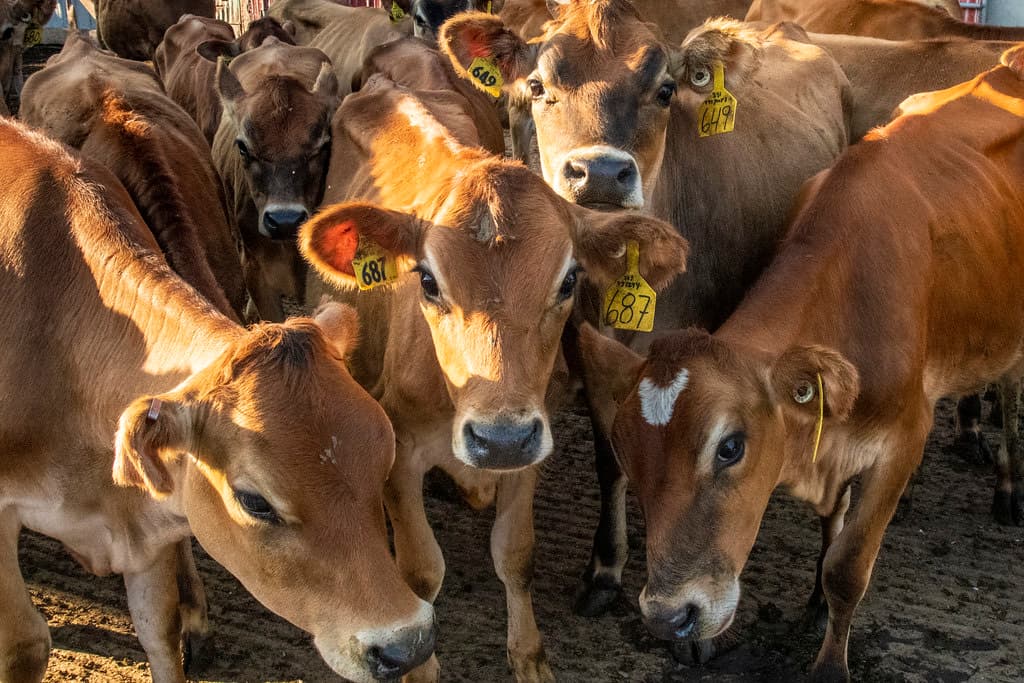
You would not pay a man to kick a dog and call yourself a bystander.
Every purchase is an order for the next animal, placed by whoever pays for it.
More
Meat, milk and eggs come from the same industry and the same suffering. Stop paying for them.
If any of this has stayed with you, act on it while it is fresh.
Nobody changes how they live until something has reached them, and something has.
'Permitted' answers 'may I'. It never answered 'should I'.
Both questions are real, and only the second one is about the kind of person you want to be.
'His mercy is upon all His works.' It does not say all people.
See it
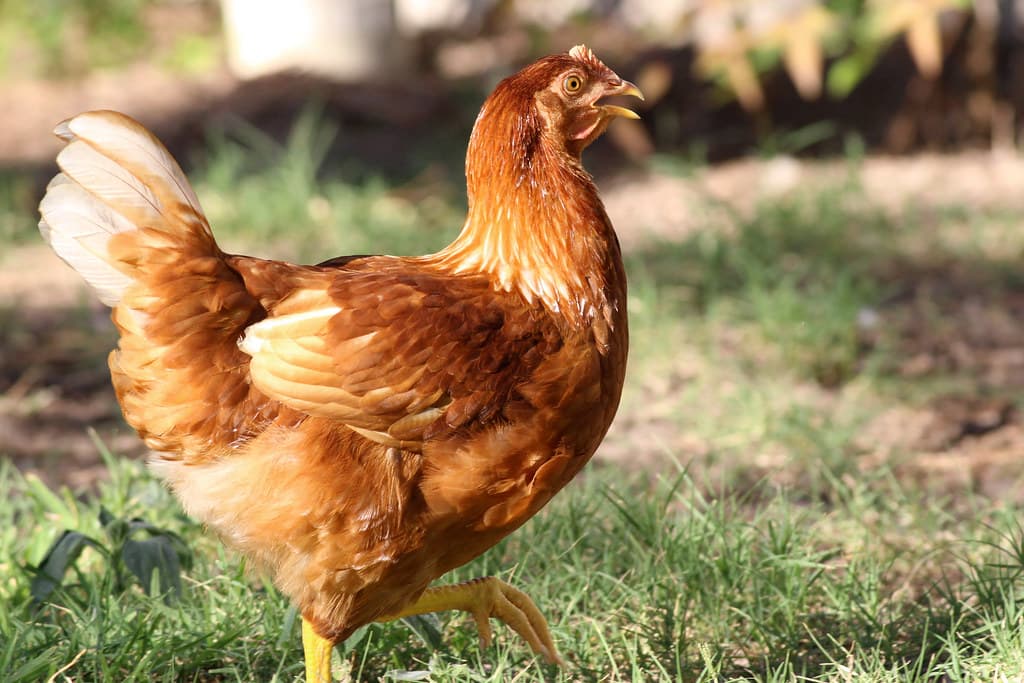
Also cited · Tehillim 145:9
וְרַחֲמָיו עַל־כׇּל־מַעֲשָׂיו
“His mercy is upon all His works.”
About this source
Recited three times a day, every day, in Ashrei.As He is compassionate, so you be compassionate.
His compassion does not stop at the human, and He asks nothing of you that He does not do Himself.
הֱוֵי דּוֹמֶה לוֹ, מָה הוּא חַנּוּן וְרַחוּם — אַף אַתָּה הֱיֵה חַנּוּן וְרַחוּם
“Be like Him: as He is gracious and compassionate, so you be gracious and compassionate.”
Between Eden and the world the prophets promise, the choice in the middle is yours.
Of the three, only the middle is still being decided, and you are the one deciding it.
More
Hoshea calls that last day a covenant, made with the beasts of the field, the birds of the sky and the creeping things of the earth.
See it
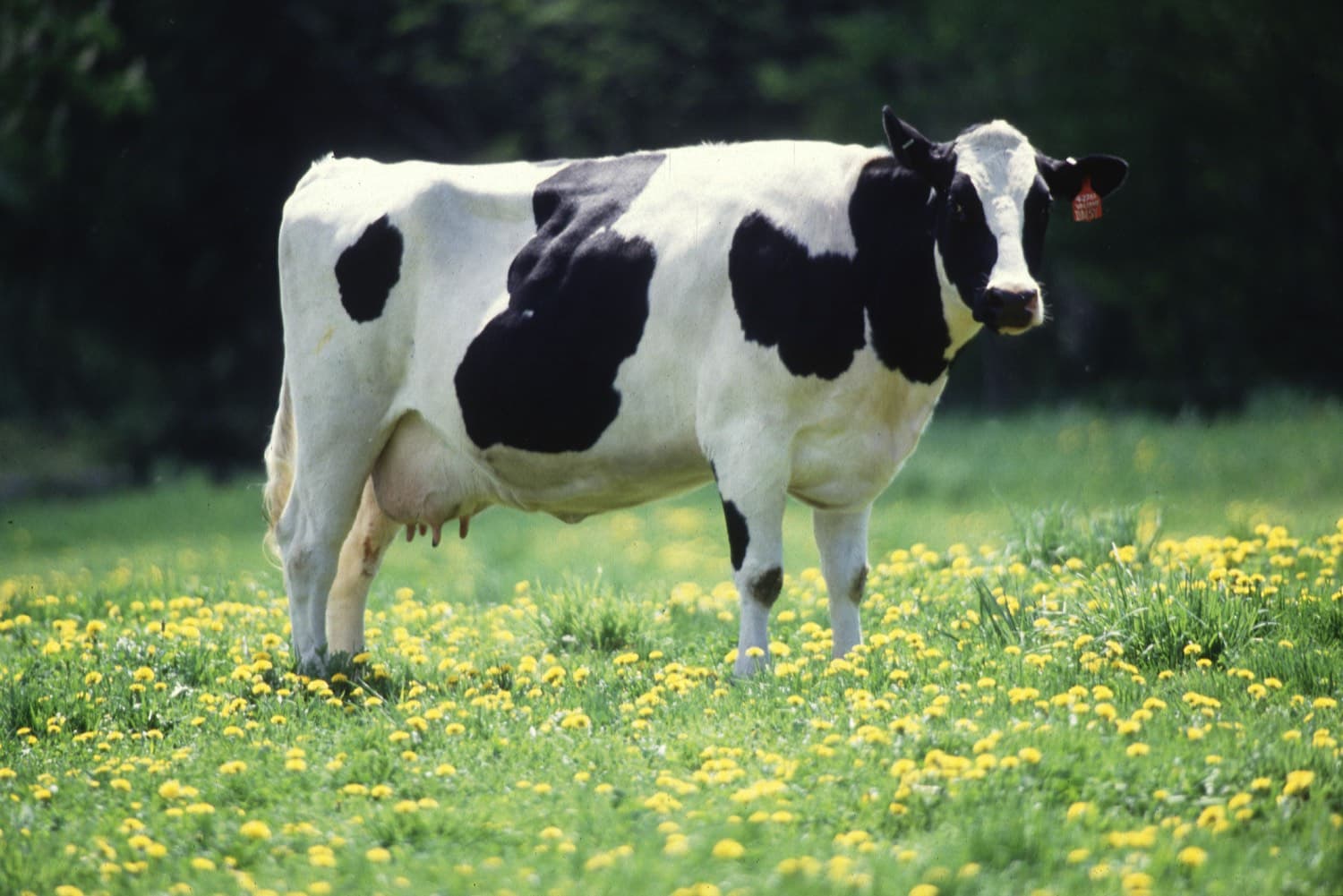
Also cited · Yeshayahu 11:6–9
וְגָר זְאֵב עִם־כֶּבֶשׂ... לֹא־יָרֵעוּ וְלֹא־יַשְׁחִיתוּ בְּכׇל־הַר קׇדְשִׁי כִּי־מָלְאָה הָאָרֶץ דֵּעָה אֶת־ה׳
“The wolf shall dwell with the lamb... they shall not hurt nor destroy on all My holy mountain, for the earth shall be full of the knowledge of Hashem.”
Also cited · Hoshea 2:20
וְכָרַתִּי לָהֶם בְּרִית בַּיּוֹם הַהוּא עִם־חַיַּת הַשָּׂדֶה וְעִם־עוֹף הַשָּׁמַיִם וְרֶמֶשׂ הָאֲדָמָה
“And on that day I will make a covenant for them with the beast of the field, and with the bird of the sky, and the creeping things of the ground.”
About this source
A covenant is a two-sided thing made with someone. The verse continues by breaking the bow and the sword out of the land. The covenant with the animals and the end of war arrive in the same sentence.This is not a side issue. It is core Judaism.
It is about what a Jew's money may pay for, and what it builds.
It is in your hands now.
Nobody told you before. Today you know it.
Start now
Your next meal.
The Rambam's test of complete repentance fits one meal: the same chance comes around again, and you refrain. Name the dish now, even if the only food you choose is your own.
More
Then do the same at every meal after it, with no end date.
Start taking B12 this week. It is the supplement every vegan needs.
אֵי זוֹ הִיא תְּשׁוּבָה גְּמוּרָה? זֶה שֶׁבָּא לְיָדוֹ דָּבָר שֶׁעָבַר בּוֹ, וְאֶפְשָׁר בְּיָדוֹ לַעֲשׂוֹתוֹ, וּפֵרַשׁ וְלֹא עָשָׂה מִפְּנֵי הַתְּשׁוּבָה
“What is complete teshuvah? One who encounters the very same opportunity in which he transgressed, and it is within his power to do it again, and he refrains, because of his return.”
Every source on this site, linked to the original wherever a link exists.
The full argument, chapter by chapter, starts at step one, the law. The same case is also made without scripture, and in Hebrew, with or without scripture.